
Find your packaging structure.
Compare bags, retail cartons, shipping boxes and gift packaging below. Choose a structure, explore the details and send your product dimensions for a tailored specification.
Photos show structure and style directions. Material, load, food-contact suitability, order quantity and delivery terms are reviewed for the specific project and sample.
Paper bags
Choose the opening, base and handle around the product and the way it will be carried.
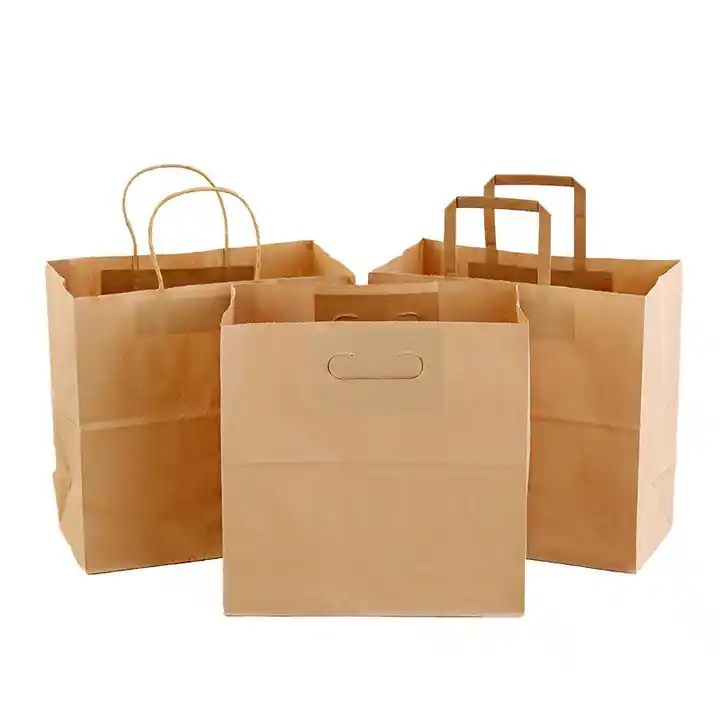
Kraft carry bags
Natural or white paper bags for retail, events and takeaway carry.
Confirm: finished width × gusset × height, contents, handle and base reinforcement.
Explore kraft bags →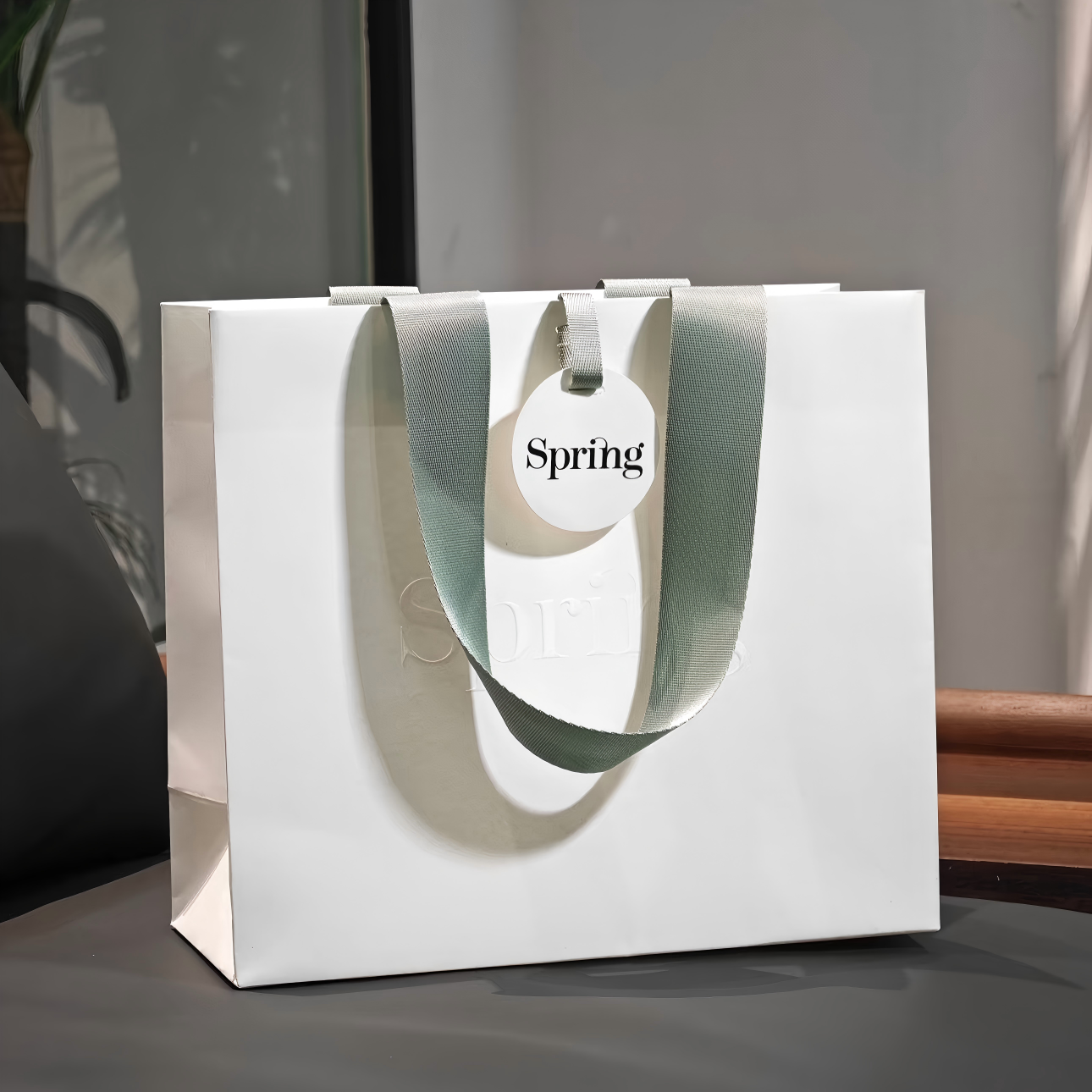
Rope and ribbon gift bags
Hand-finished presentations for gifts, jewelry, cosmetics and branded retail.
Confirm: handle length, folded top, reinforcement and finish.
Explore gift bags →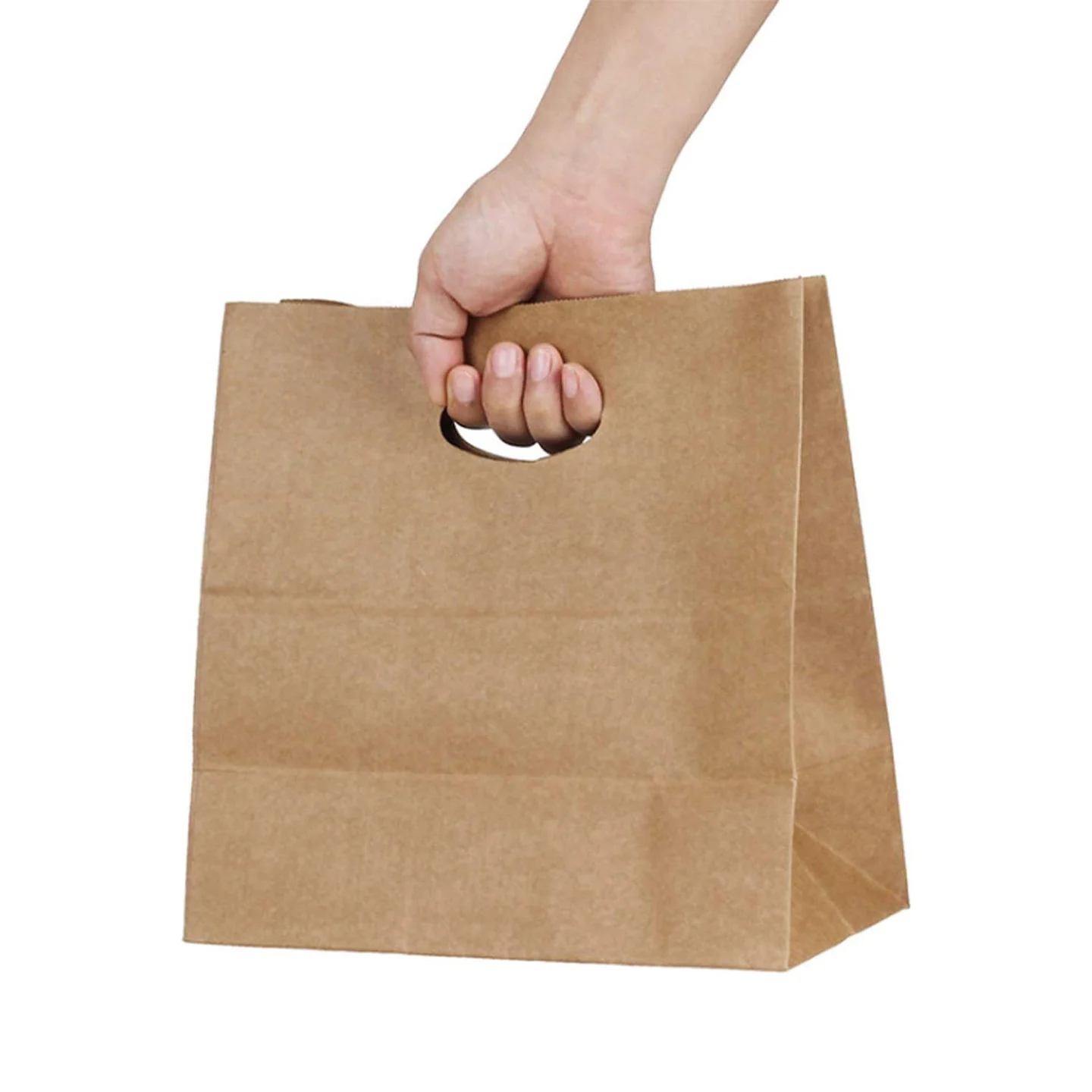
Die-cut handle bags
A clean hand opening without a separate rope or paper handle.
Confirm: grip clearance, contents and whether a handle patch is needed.
Compare handle formats →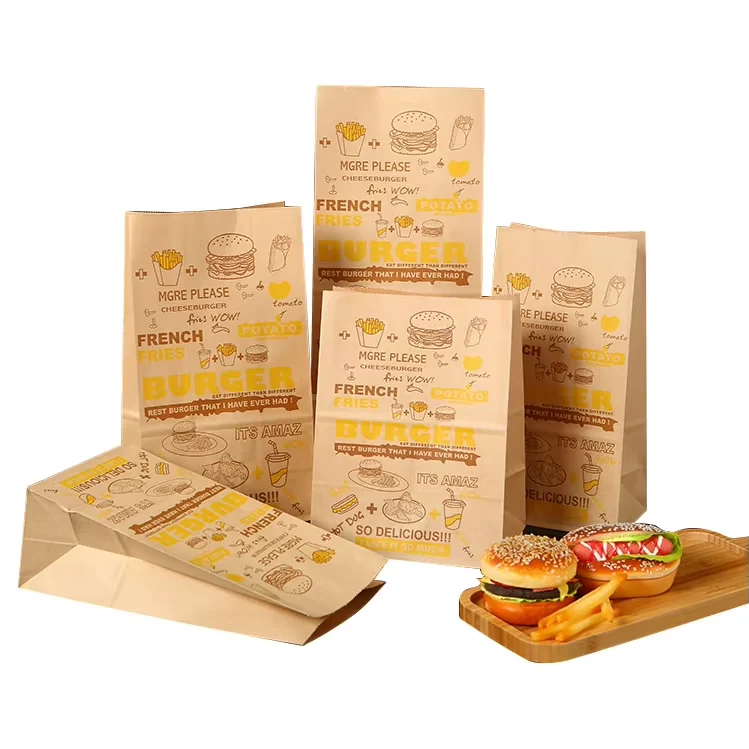
Flat and square-bottom bags
Compare a flat merchandise sleeve with an upright bag for bulkier items. See the flat-bag illustration.
Confirm: product orientation, base depth and packing speed.
Compare paper bags →Boxes for retail and shipping
Compare flat folding structures, protective flutes and the opening experience.
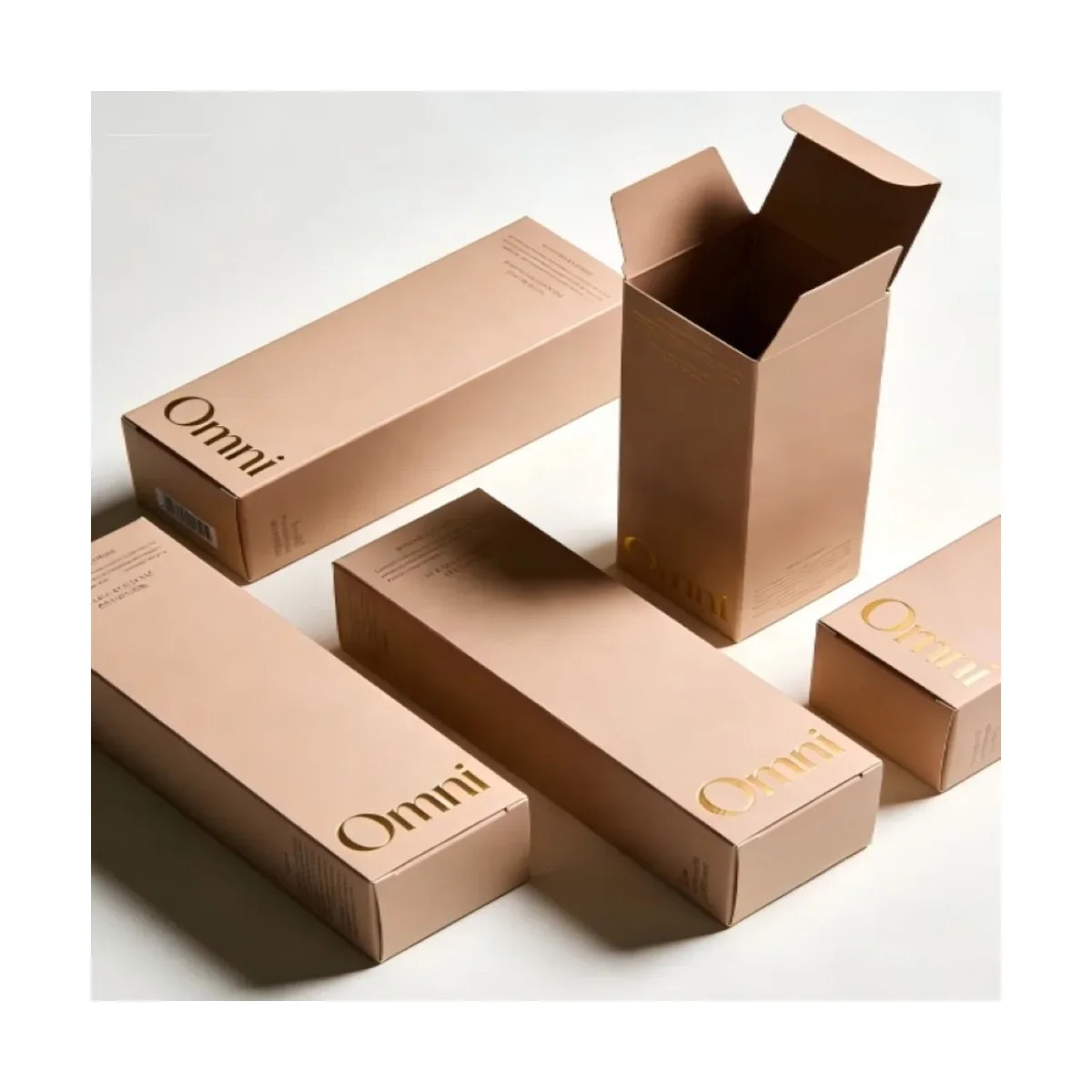
Folding cartons
Flat-packed paperboard for lightweight retail products and shelf display.
Confirm: filled product size, tuck or lock closure and packing method.
Explore folding cartons →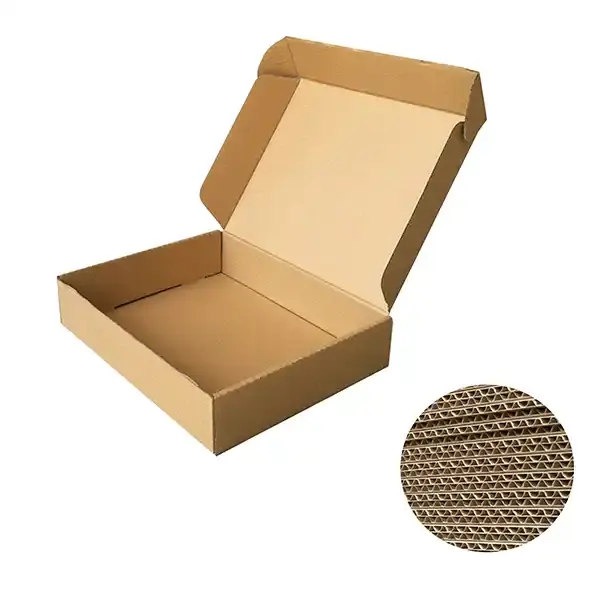
Corrugated mailers
A fluted box structure for e-commerce, shipping and subscription packs.
Confirm: board flute, fitted insert, closed dimensions and transport route.
Explore mailer boxes →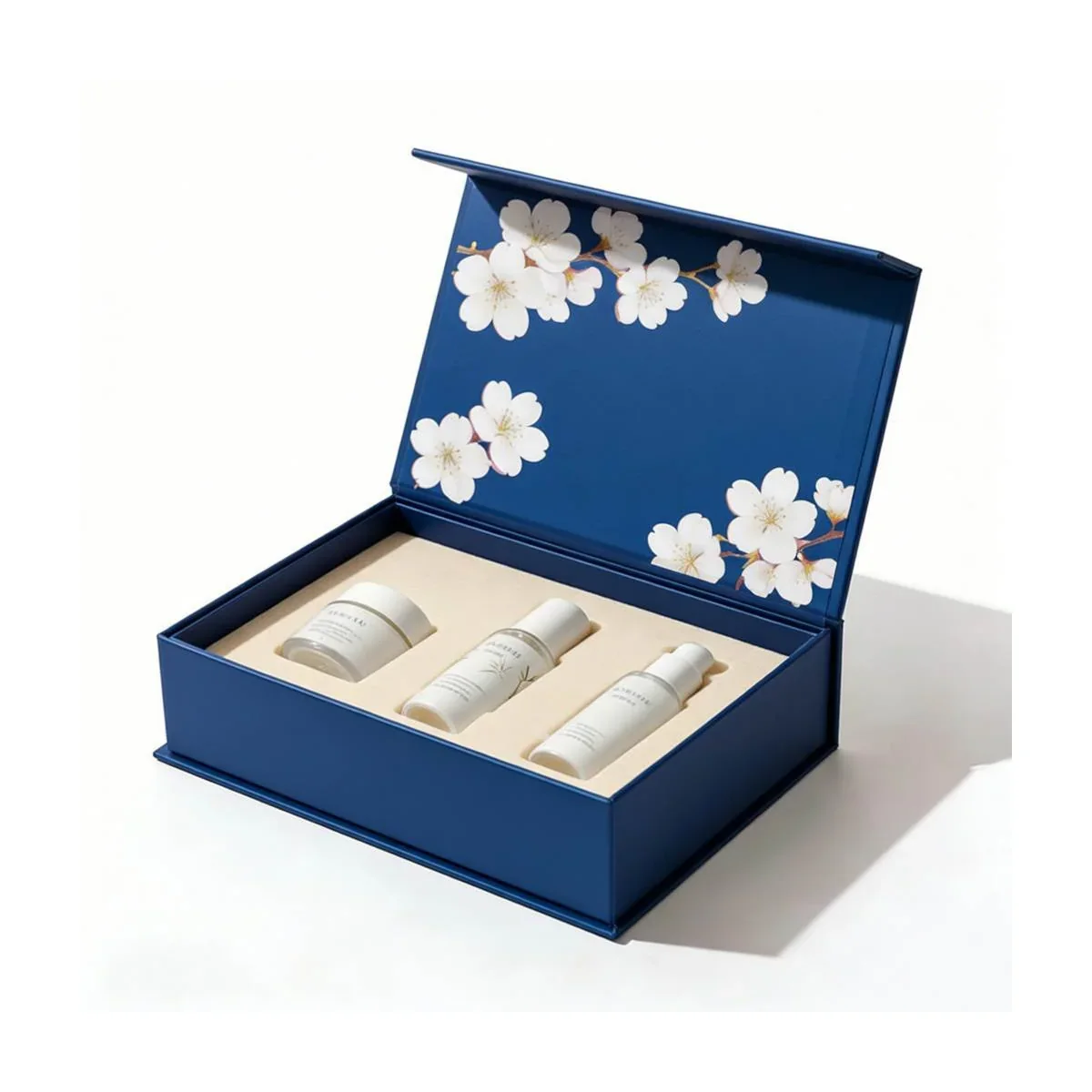
Magnetic rigid boxes
A hinged reveal for product sets that need a deliberate opening sequence.
Confirm: hinge, magnet position, insert clearance and shipper fit.
Explore magnetic boxes →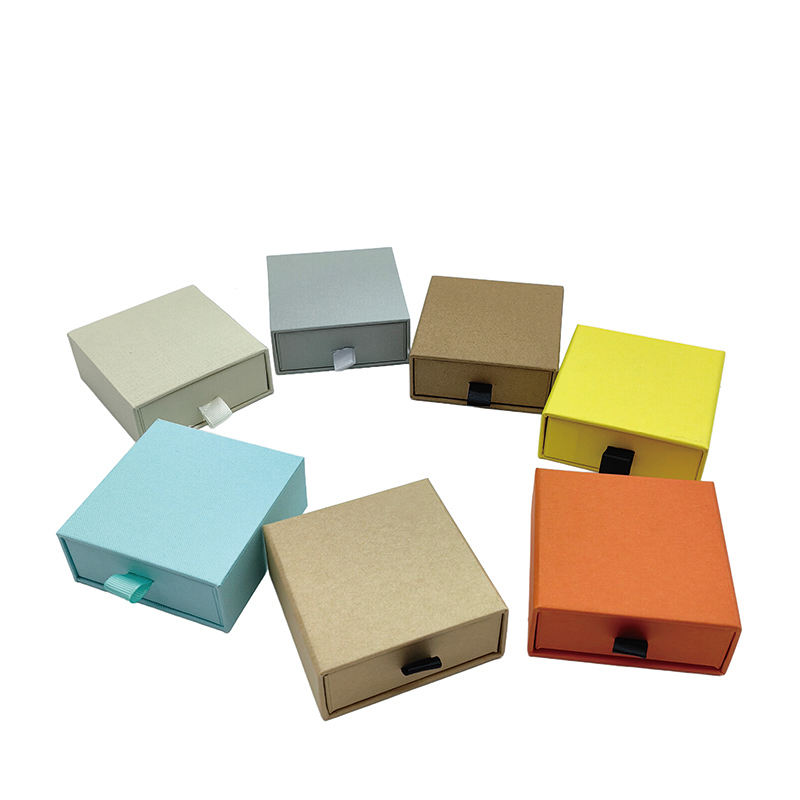
Drawer rigid boxes
A sliding tray creates a controlled reveal for compact gifts and accessories.
Confirm: sliding clearance, pull tab and insert retention.
Explore drawer boxes →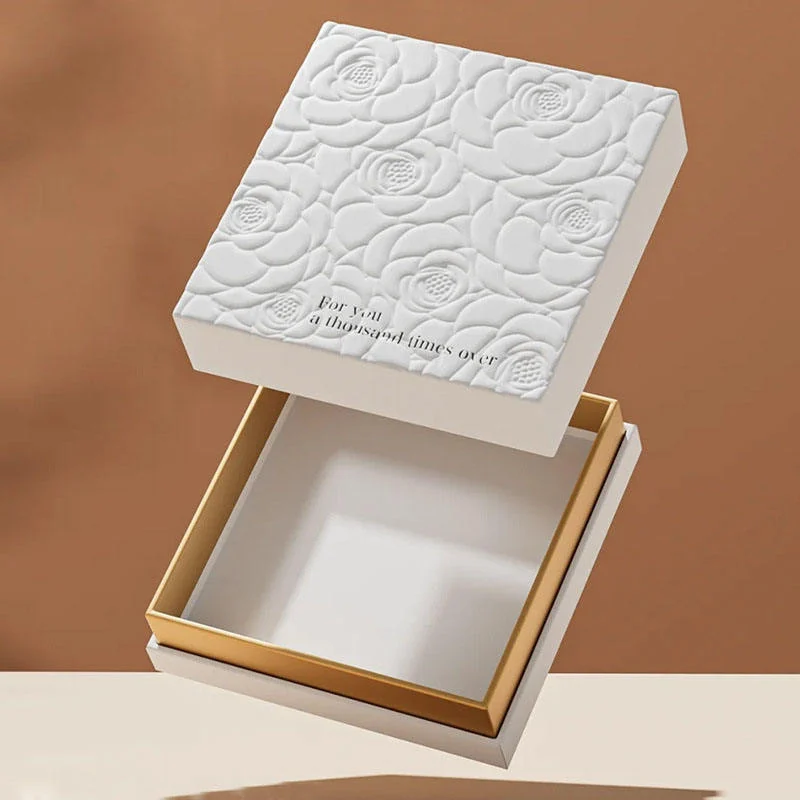
Lift-off lid gift boxes
A separate lid and base give products an uncomplicated presentation.
Confirm: lid overlap, base depth, product support and stacking.
Compare rigid structures →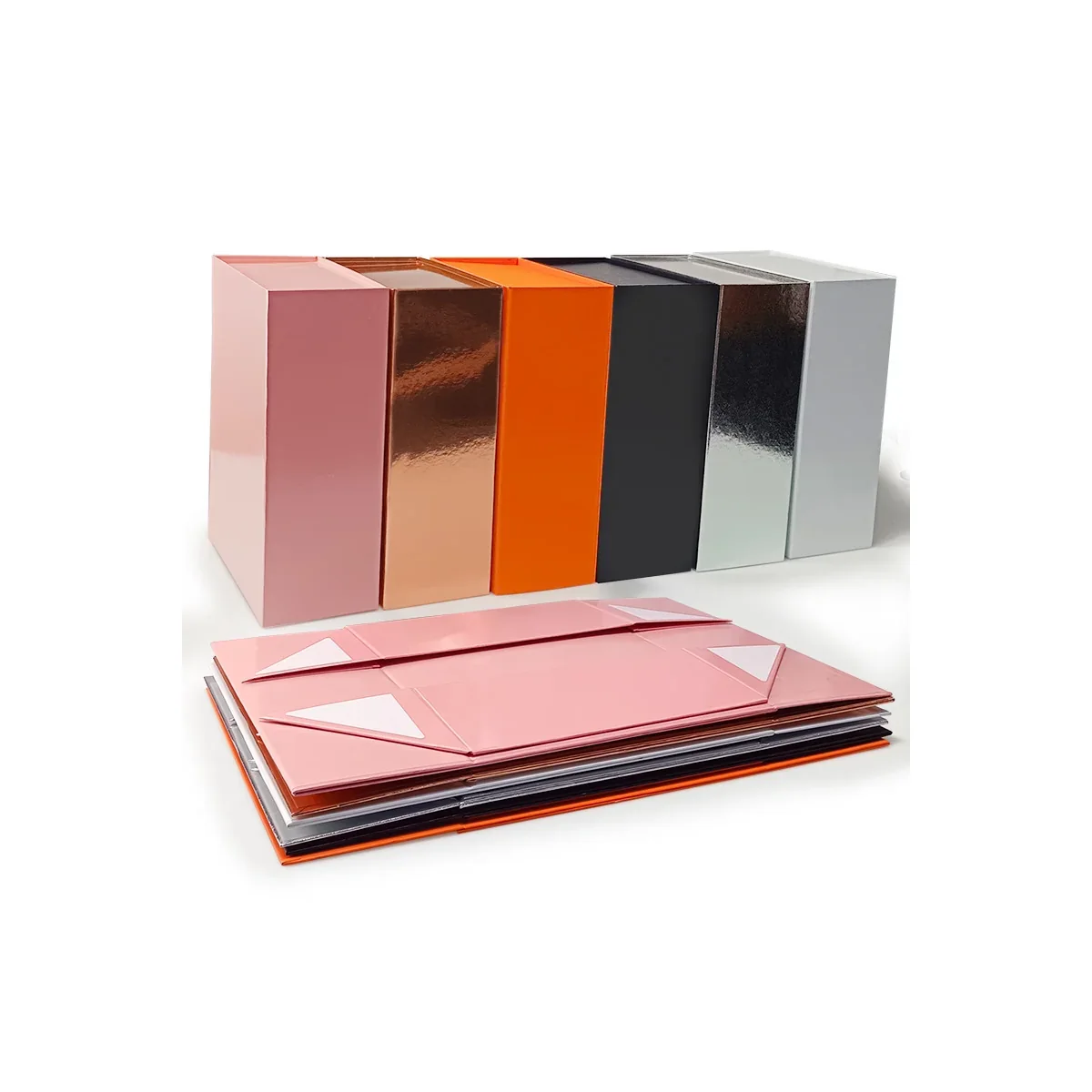
Flat-pack gift and apparel boxes
Compare assembly at packing with storage and shipping volume.
Confirm: folded garment or gift dimensions, opening and assembly steps.
Explore foldable boxes →Gift and specialty structures
Start with the object and the way it should sit, open and travel.
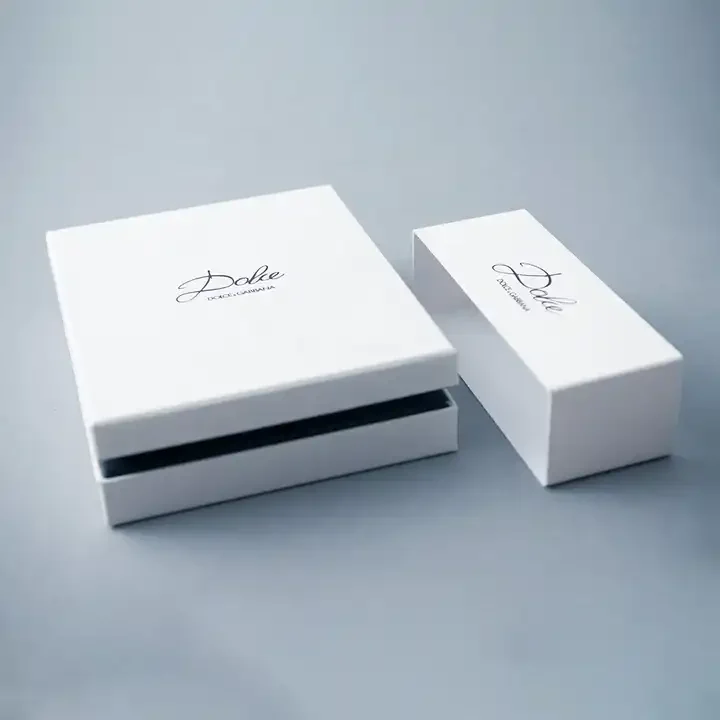
Jewelry boxes and inserts
Match a lid, drawer or ribbon presentation to the jewelry and its support.
Confirm: item orientation, pad or slot fit and lift-out access.
Explore jewelry boxes →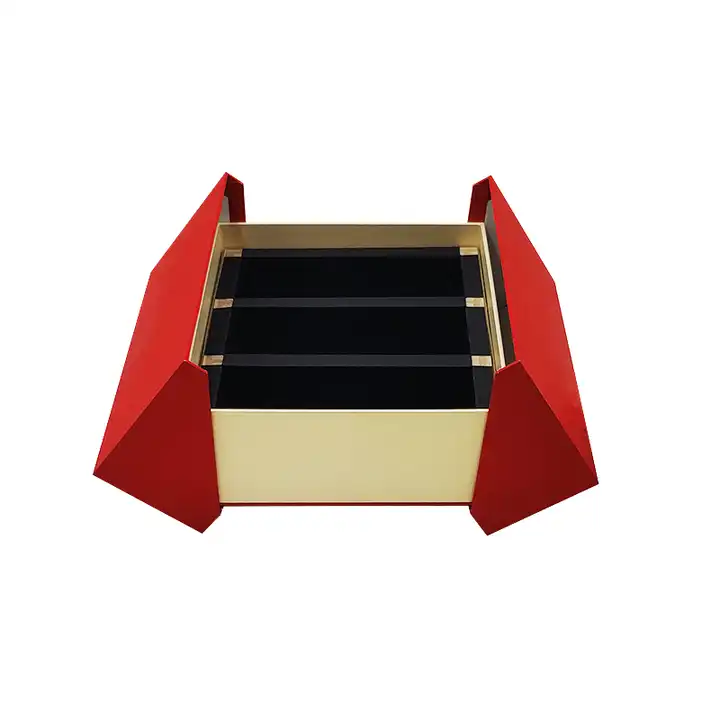
Bottle gift boxes
Single and multi-bottle directions need the bottle and divider planned together.
Confirm: bottle diameter, neck height, divider layout and carry method.
Compare rigid gift boxes →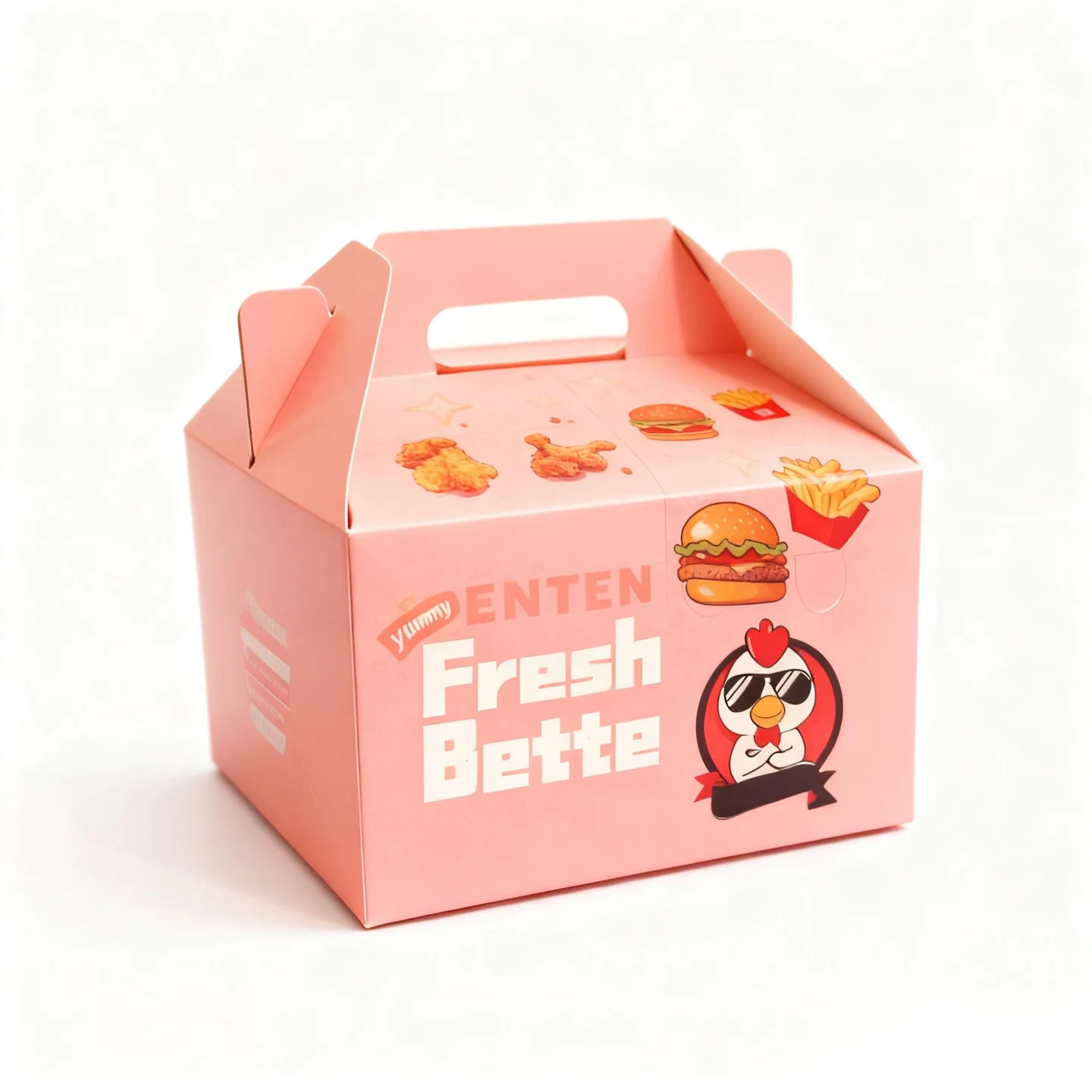
Shaped retail cartons
Compare handled gable cartons, pillow cartons, shaped flaps and gift-card platforms around the actual product. The photo shows a carry-carton direction. Compare three shaped formats below.
Confirm: item fit, handle or closure, display face and packing steps.
Explore retail structures →Compare the less familiar packaging shapes
These drawings explain opening and support ideas before size, material and finish are specified for a product.
Flat merchandise bag
A handleless sleeve for relatively flat items. Check item width, insertion clearance and whether a gusset is actually needed.
Structure illustration. Production dieline confirmed after sizing.
Pillow carton
Curved flaps make a compact presentation. Check the filled thickness, closure hold and how the product is removed.
Structure illustration. Production dieline confirmed after sizing.
Gift-card display platform
A shallow box can lift and hold a card for presentation. Verify the actual card size, corner retention and access for removal.
Structure illustration. Production dieline confirmed after sizing.
Tulip-style carry carton
Curved carton walls rise to an integrated handle for small gifts or takeaway presentation. Check hand clearance, filled height and closure fit.
Structure illustration. Production dieline confirmed after sizing.
Food and bakery packaging
Plan item count and handling first, then verify materials for the actual food and destination.
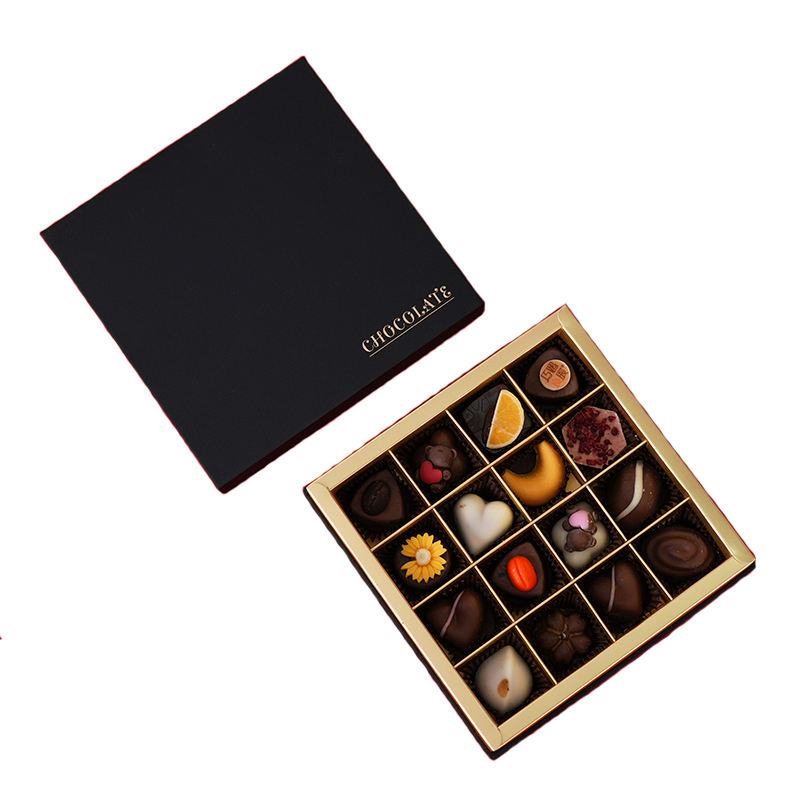
Confectionery gift boxes
A divided tray can present individual pieces and limit movement in a gift set.
Confirm: cavity count, insert fit and food-contact material documents.
Explore food boxes →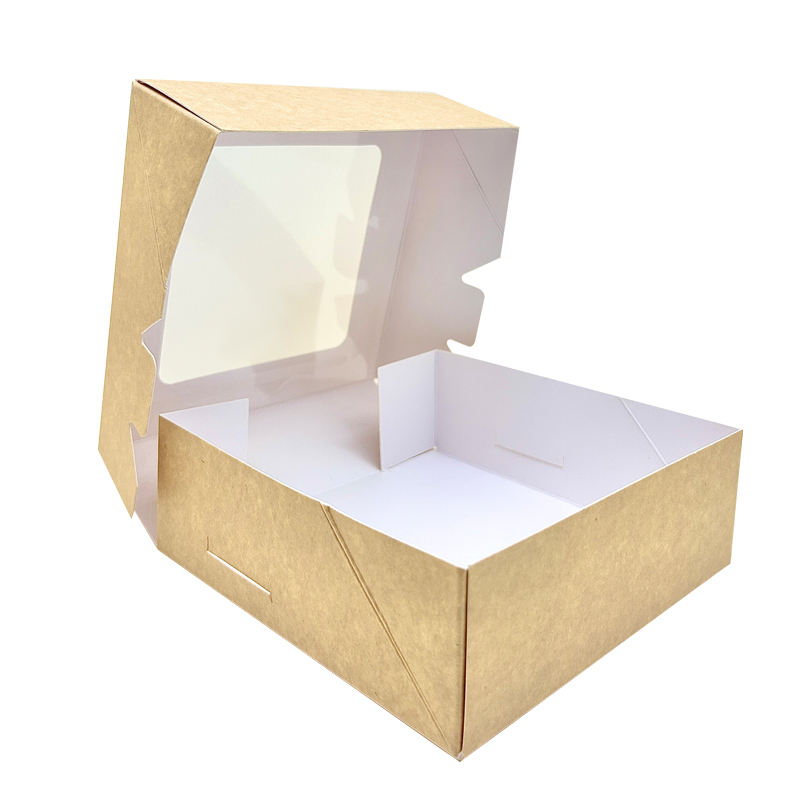
Pastry and cupcake boxes
Window and insert choices change with the number, height and finish of the baked items.
Confirm: item count, frosting clearance, window position and transport.
Explore bakery boxes →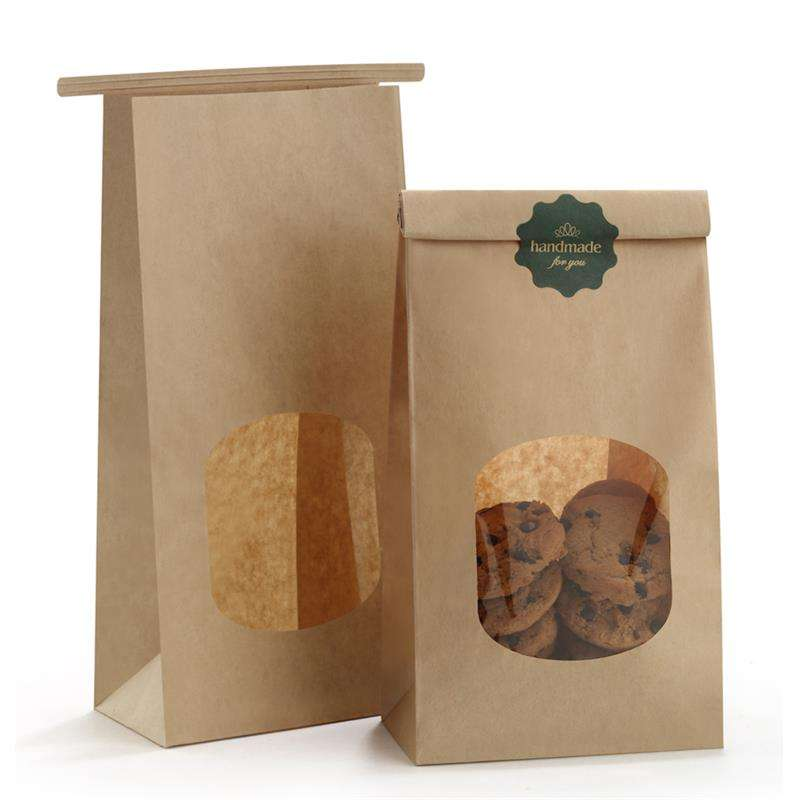
Takeaway and reclosable bags
Carry cartons, windows and tin-tie-style closures answer different food service needs. The photo shows reclosable bags as a style reference.
Confirm: heat, moisture, grease, closure and direct-contact requirements.
Explore food packaging →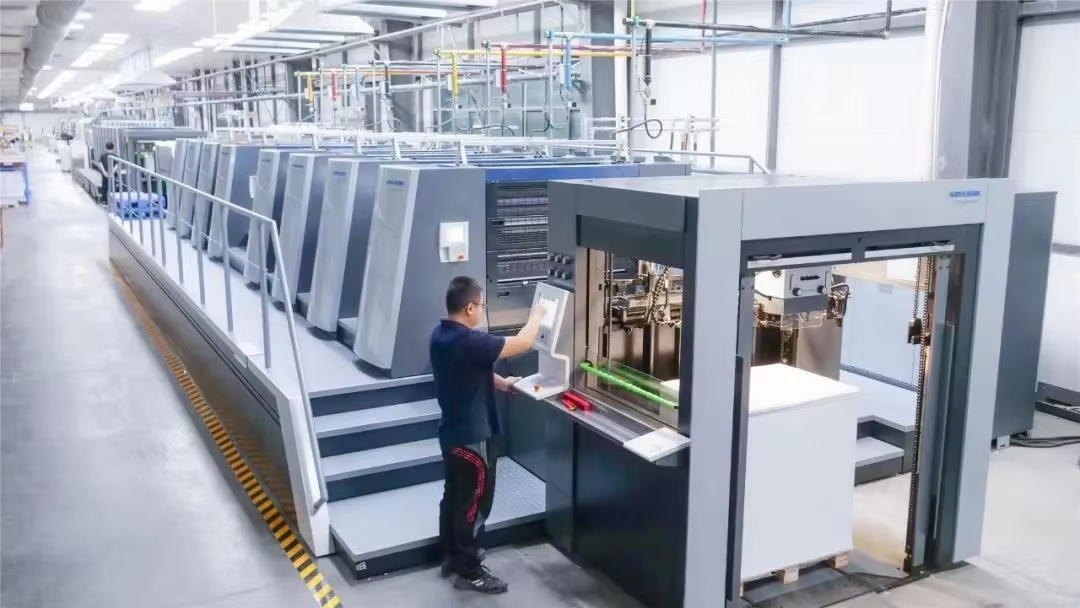
Printing and finishing are part of the specification.
Mark the actual artwork for CMYK or spot colors, foil, embossing or selective gloss. Review the proposed finish on the chosen paper and a physical sample when appearance is critical.
Read the printing and finishing guide →What to send for a useful quote
A short, complete brief is more useful than choosing a picture alone.
- Product and useContents, weight, display, storage and transit conditions.
- Finished dimensionsBag width × gusset × height; box product size and required inside fit.
- Artwork and finishLogo, print files, color references, handle or insert preferences.
- Quantity and destinationQuantity per size/design, delivery country and desired schedule.
Packaging catalog questions
How do I choose between a folding carton, rigid box and mailer?
Start with the product’s size, weight and sales route. Folding cartons pack flat for many retail uses; rigid boxes emphasize presentation and inserts; corrugated mailers add a fluted structure for dispatch. Compare the packed product and sample before approval.
Are the photographed sizes, colors and constructions available as fixed stock items?
The images are structure and style references for custom projects. Send your required dimensions, quantity and artwork so the material, production route and available options can be reviewed for your specification.
How should I measure a paper bag or box?
For a paper bag, provide finished width × side gusset × height and the intended contents. For a box, provide the product dimensions, preferred inside clearance and any insert or shipping requirement, all with units.
How do I check food packaging suitability?
State the food, whether it touches the pack directly, temperature, grease and moisture conditions, and destination market. The specific material construction and supporting documents must be reviewed before a food-contact claim is made.
Can I add a window, insert, handle or special finish?
These options depend on structure and intended use. Mark their positions on the reference or dieline, and check the fit, appearance and handling on a sample.
Have a product ready to pack?
Send its dimensions, quantity, artwork status and delivery country. We can review the right bag or box direction with you.