
Retail cartons that fold flat and fit your product
Flat-packed folding cartons with tuck and auto-bottom options for retail products. Share product dimensions and weight, quantity per design, artwork status and destination for a tailored quote.
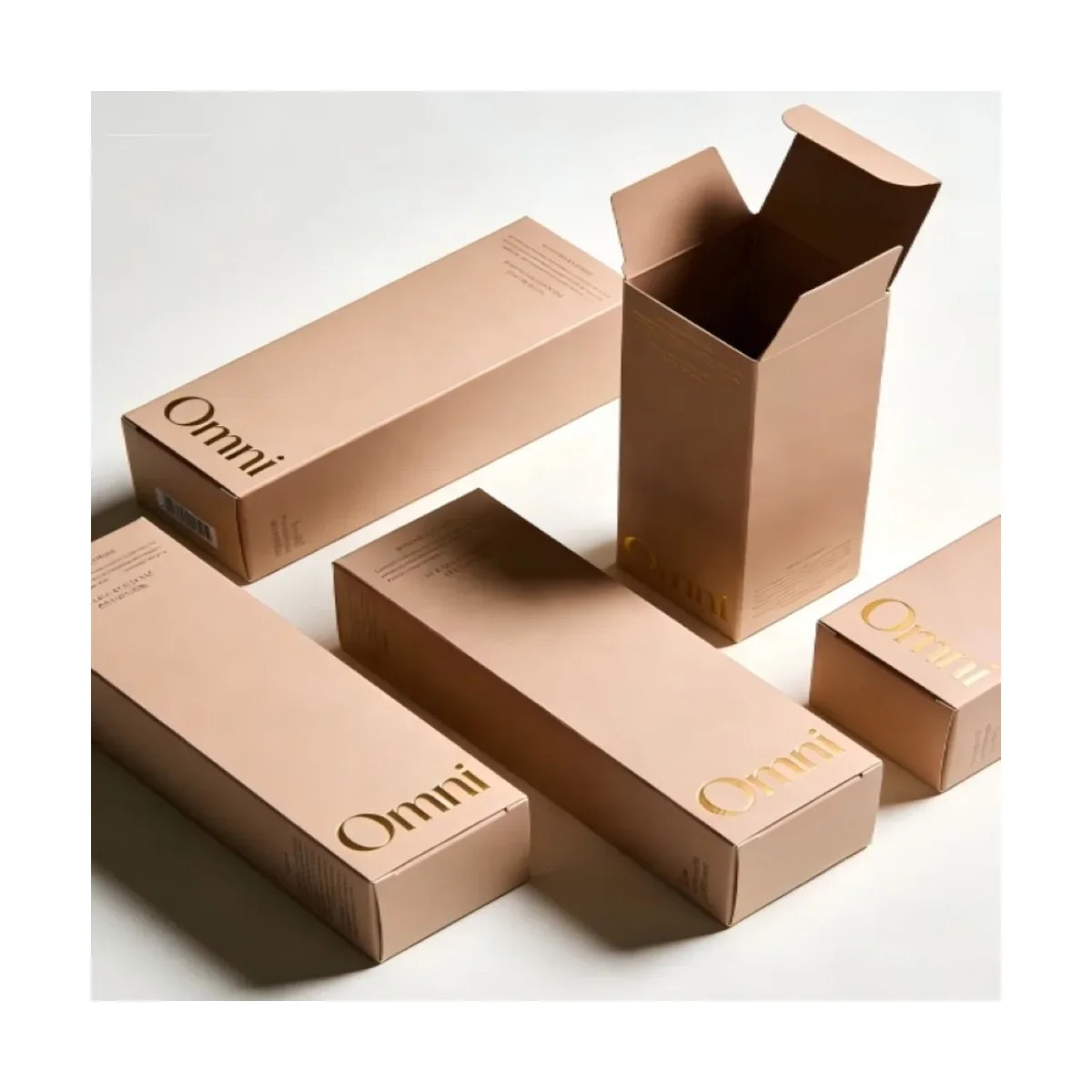
Can This Product Model Fit Your Requirement?
Use this table for initial screening. Every project remains custom and requires a confirmed production specification.
| Parameter | Configurable direction / buyer input |
|---|---|
| Material | White paperboard, kraft paperboard or selected specialty board suitable for the structure |
| Structure | Straight/reverse tuck, auto-lock bottom, crash-lock, sleeve, hanger or display-related carton |
| Size | Custom internal dimensions including product, insert, clearance and shelf constraints |
| Capacity / load | Confirmed through board grade, bottom design, product weight and packing orientation |
| Printing | CMYK or Pantone-oriented printing with barcode, required copy and finishing layers |
| Finishing | Lamination, varnish, foil, embossing, debossing, spot UV and selected window options |
| MOQ | Featured cosmetic paper boxes have a 500-piece minimum; featured custom paper bags have a 1,000-piece minimum. Quantities are confirmed per design, size and style. Other packaging formats generally start at 500 pieces; selected other structures may be considered at 200–499 pieces with a significantly higher unit cost. Specialized materials and production methods may require a higher minimum. |
| Evidence | Order-relevant material or compliance documents are confirmed only after the exact specification, use and destination are known. |
Typical Application Scenarios
Consumer accessories and electronics
Confirm packed dimensions, product weight, insert retention and barcode placement before choosing tuck or auto-bottom construction.
Health, beauty and personal care
Check bottle or jar orientation, closure strength, finish scuff resistance and required label or compliance copy.
Apparel, gifts and lifestyle products
Review flat-pack handling, shelf or hanger display needs, opening sequence and master-carton protection.
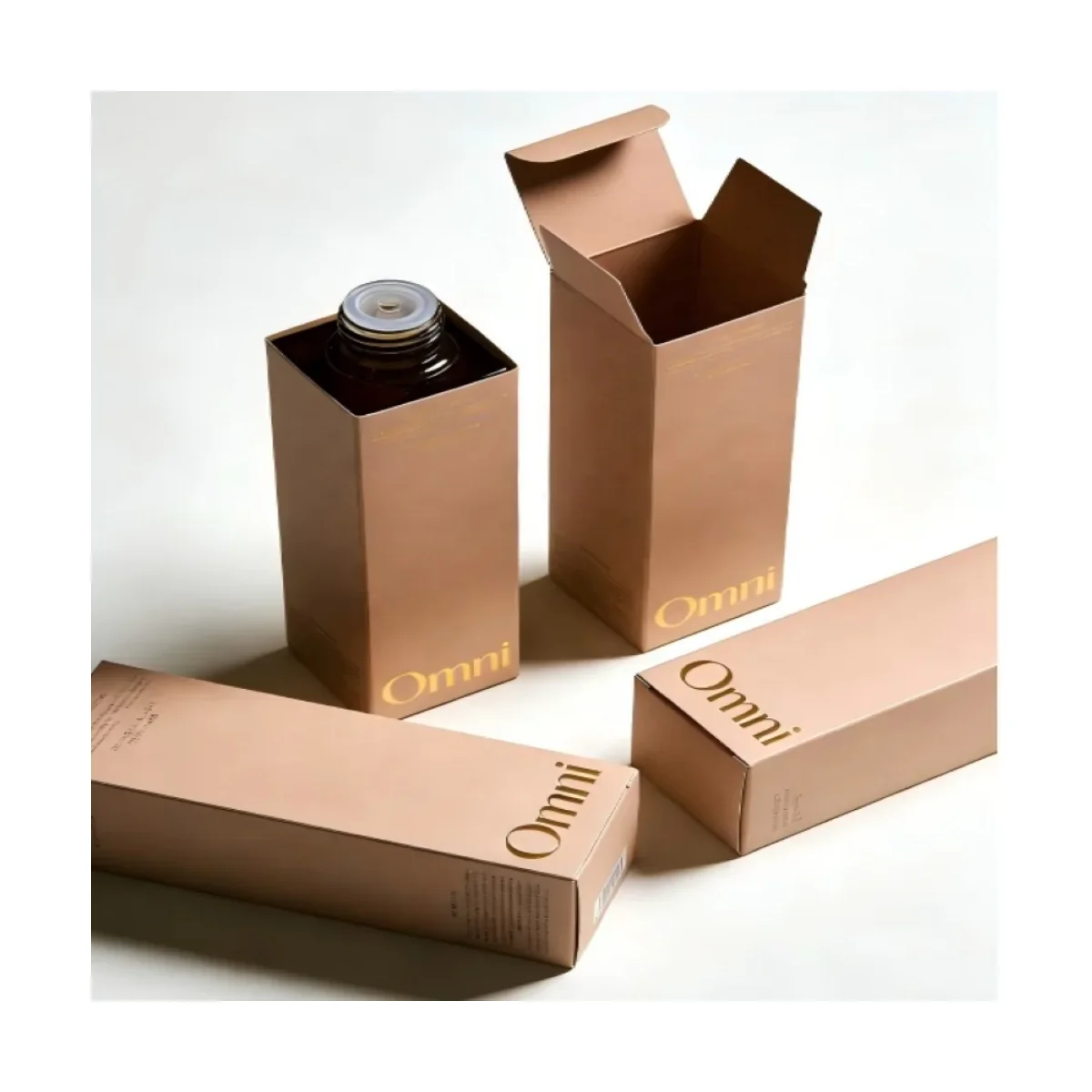
What Can Be Customized?
- Tuck or auto-bottom format
- Paperboard insert or divider
- Window or hang tab
- Tamper-evident concept review
- Foil and tactile finish
- Shelf-ready display relationship
Confirm Before Quoting
- Shelf or hanger method supplied
- Product retention reviewed
- Barcode area checked
- Packing speed considered
- Master-carton orientation defined
From Requirement To Repeatable Specification
- BriefProduct, size, quantity, artwork and destination
- RecommendationStructure, material, print and finish comparison
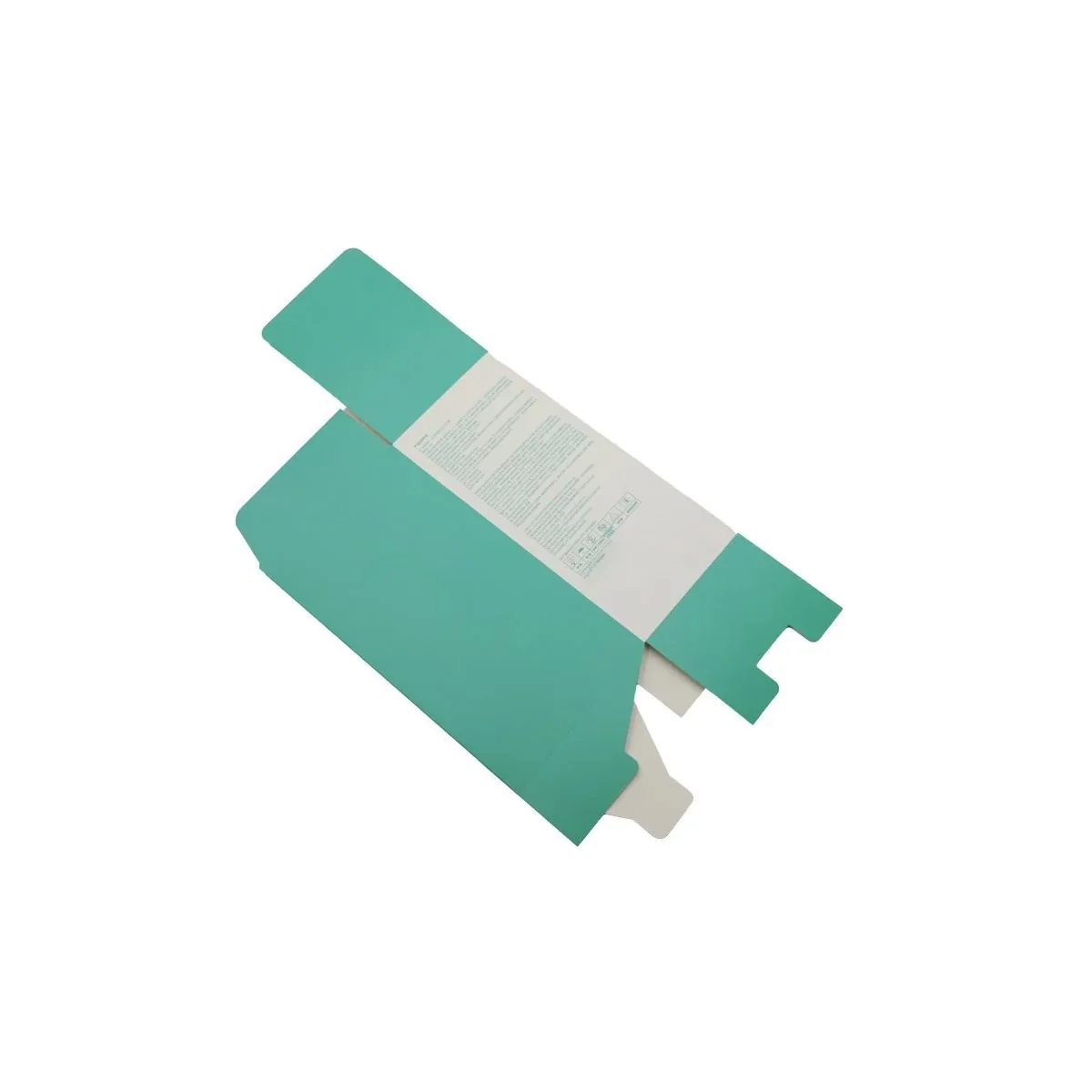
- DielinePanel, fit and production-feasibility review
- SampleStructure, appearance and fit approval when required
- Production QCChecks tied to the approved order specification
- Reorder recordFinal specification retained for repeat discussion
What Buyers Should Confirm Before Ordering
These model-specific decisions affect quotation accuracy, sampling, bulk production and shipment planning.
MOQ Factors
Board type and caliper, carton size, bottom and closure structure, print coverage, window or insert, foil/embossing and the number of SKUs influence the practical MOQ review.
Sampling Focus
A structural sample should confirm product retention, tuck or auto-bottom action, crease quality, packing speed and shelf orientation. A printed sample is useful for barcode position, small copy, color and finish approval.
Mass Production Flow
Approved orders proceed through board and artwork confirmation, printing, optional lamination or specialty finishing, die cutting and creasing, window or insert work, gluing where required, flat packing and QC.
Flat-Packed Or Assembled
Most folding cartons are supplied flat, including pre-glued straight-line and auto-bottom formats. Master-carton quantity, compression protection, moisture protection and the customer packing line should be defined before shipment.
Information Needed For A Useful Quote
Send product dimensions, weight and orientation, carton size if known, structure preference, quantity by SKU, board and finish references, barcode/required copy, destination/postcode, packing method and target date.
Preparing print files? Use our packaging artwork approval checklist to confirm the dieline revision, barcode panel and finish layers before sending artwork.
Send Project RequirementsStructure And Finish Views
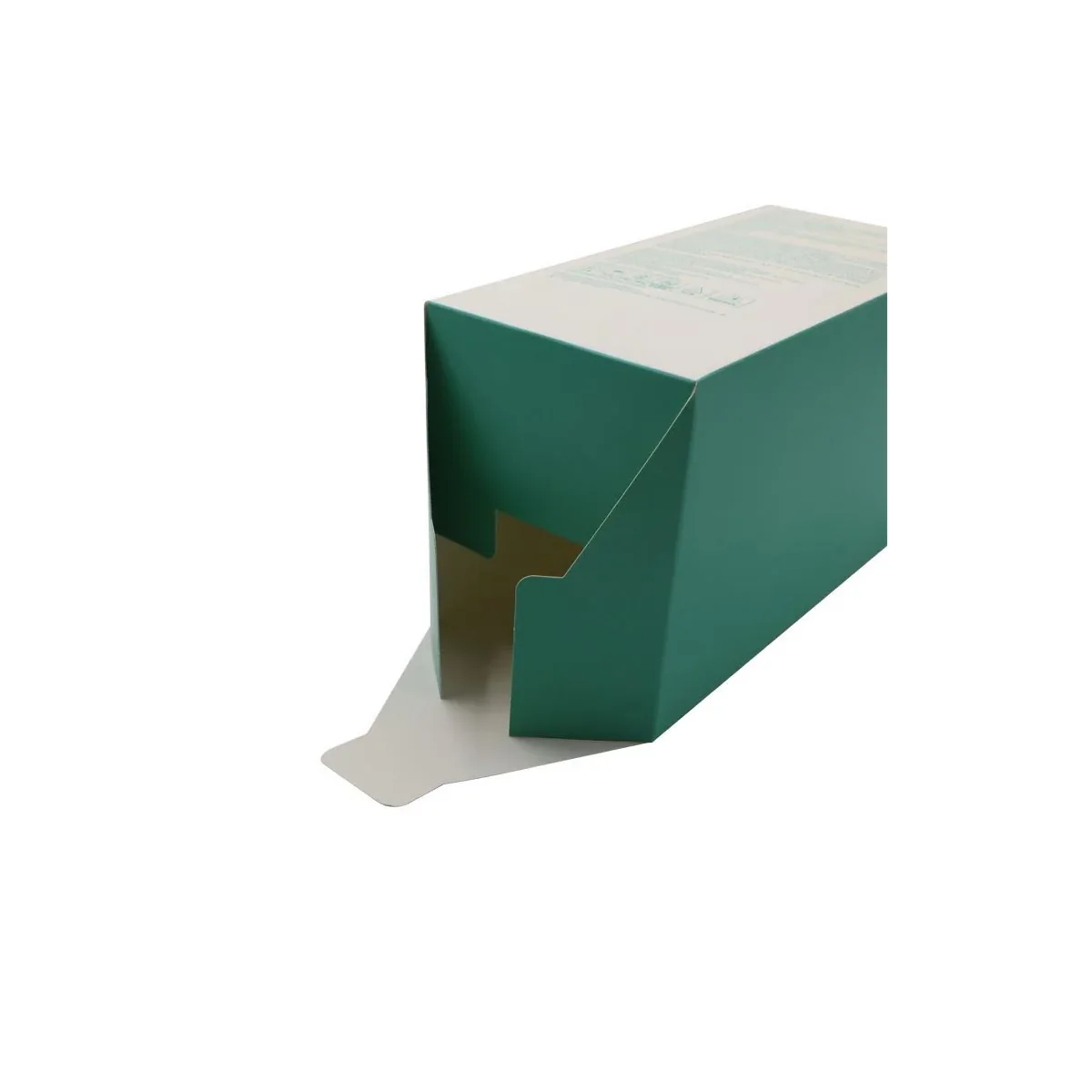
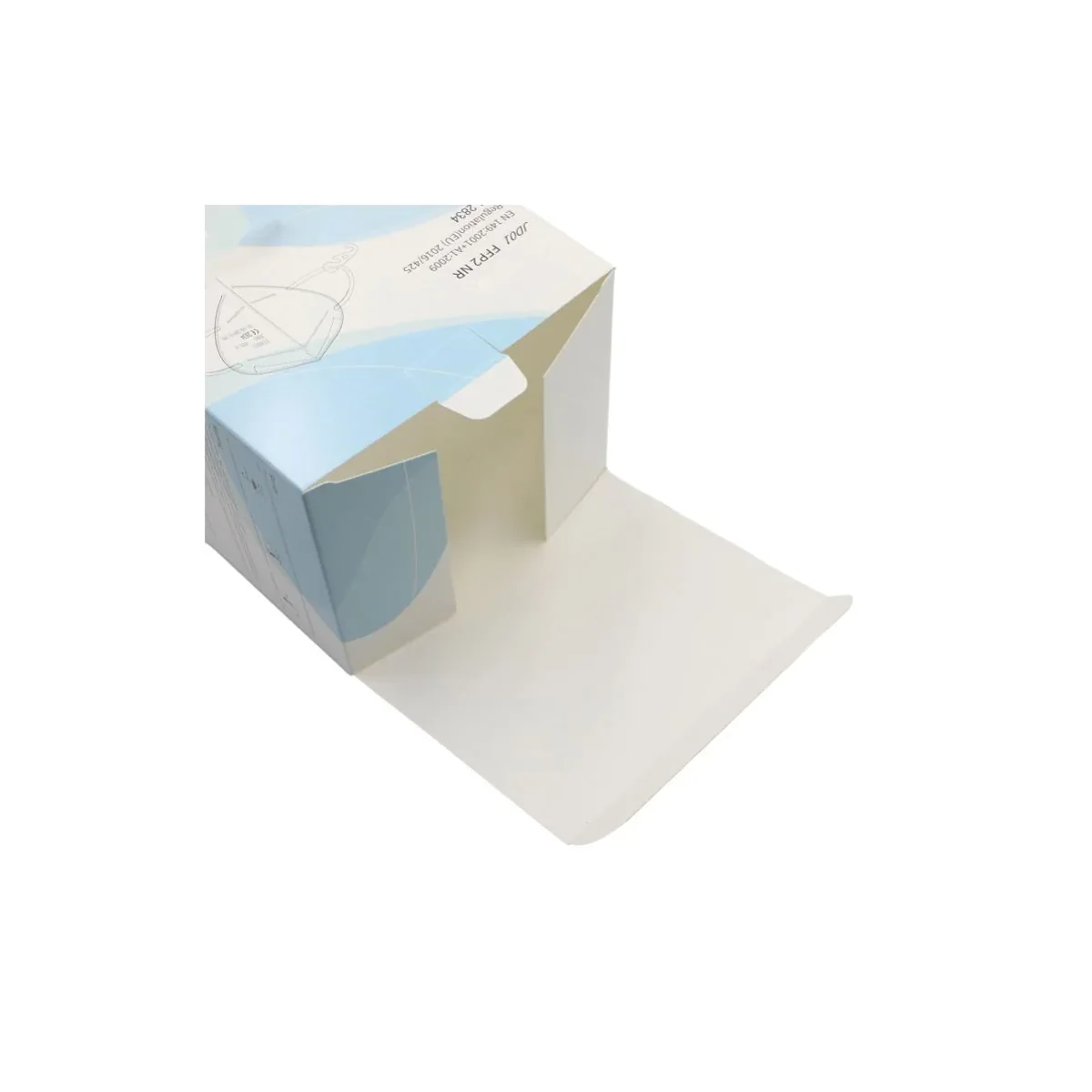
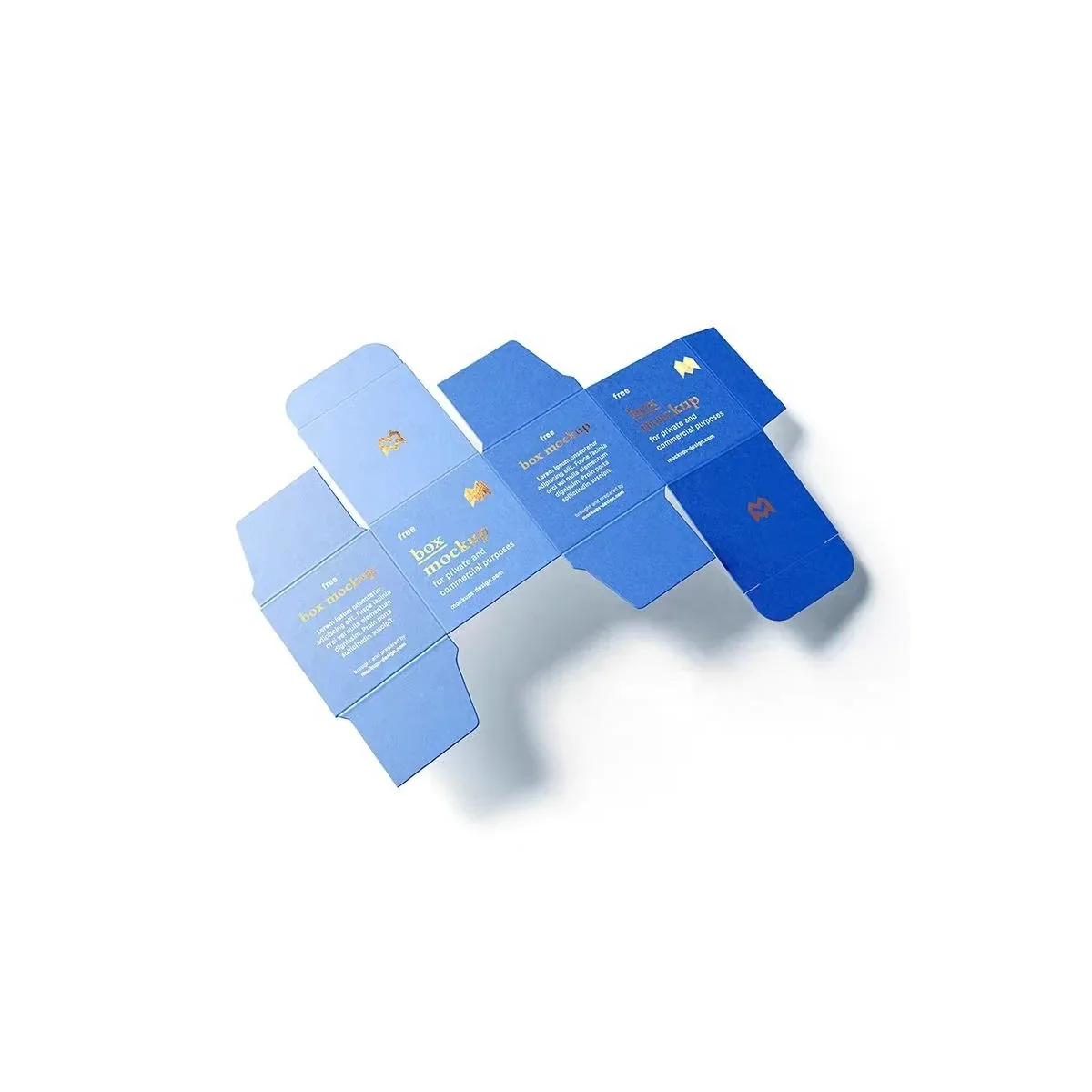
These existing XLY product images are selected for visible structural relevance to this box type.
Match Carton Style To Packing Speed, Shelf Use And Board Behavior
Folding cartons are usually supplied flat and converted from paperboard. Closure style, bottom construction, grain direction, creasing, surface protection and gluing method determine how efficiently the carton erects and performs on shelf.
Straight tuck, reverse tuck and double tuck
Straight-tuck cartons place top and bottom tuck flaps in the same direction for a clean panel relationship. Reverse-tuck cartons place them in opposite directions and can improve sheet layout. Double-tuck formats are easy to open from both ends but need product-retention review.
Auto-bottom and lock-bottom cartons
Auto-bottom cartons arrive pre-glued and erect quickly for repeated packing. Lock-bottom cartons use interlocking flaps and may suit projects that need a stronger manually assembled base. Product weight, packing speed and flat size should guide the choice.
Hanger, window and display features
Hang tabs require product weight and retail peg position to be checked. Windows should preserve enough board around the opening for creasing and stacking. The product or insert must remain positioned behind the window during handling.
White card, coated board and kraft board
White paperboard supports clean color and fine retail graphics. Coated one-side board is commonly used when the outside print surface leads the brief. Kraft board gives a natural base color that changes ink appearance and may need white-ink review.
Grain direction, creasing and edge cracking
Grain direction affects folding behavior and panel stiffness. Heavy ink coverage, dry paper, tight folds and unsuitable crease settings can expose cracking or white edges. The dieline, board and finish must be tested together.
Laminated and unlaminated surfaces
Lamination can improve scuff and moisture resistance but changes folding behavior and recyclability discussions. Unlaminated cartons preserve a natural paper feel but may show rubbing or fingerprints more readily, depending on ink coverage and use.
Machine gluing and hand gluing
Straight-line and selected auto-bottom cartons can be machine glued for repeatable production. Unusual windows, multiple glue points or complex structures may require hand work, which affects practical quantity and inspection planning.
Flat packing and packing-line efficiency
Most cartons ship flat, reducing shipment volume. Pre-glued bases can speed erection, while simple tuck cartons offer flexible manual packing. Master-carton protection, carton orientation and the buyer packing sequence should be agreed.
Folding Carton Style And Packing-Efficiency Comparison
Use this table to narrow the specification. Final suitability still depends on product, dimensions, quantity, packing method and destination.
| Carton format | Bottom or closure | Packing efficiency | Typical lightweight products | Key check |
|---|---|---|---|---|
| Straight-tuck carton | Top and bottom tuck in the same direction | Simple manual erection and closing | Cosmetics, personal care, small accessories | Panel layout, product retention and tuck clearance. |
| Reverse-tuck carton | Top and bottom tuck in opposite directions | Simple manual packing with efficient sheet layout | Light retail cartons and personal-care products | Visible seam position and opening direction. |
| Auto-bottom carton | Pre-glued base opens into position | Faster repeated packing after the erection method is approved | Bottles, jars and denser small retail products | Bottom construction, product weight and packing line. |
| Lock-bottom carton | Interlocking bottom flaps | Manual base assembly with added engagement | Retail products needing more bottom support | Assembly sequence and fold accuracy. |
| Hanger or window carton | Tuck or lock base with die-cut feature | Depends on product loading and insert position | Accessories, small tools, beauty and display products | Peg position, window strength and product visibility. |
| Sleeve with tray or inner carton | Open-ended sleeve around a second component | Two-part packing operation | Gifted light products and retail sets | Sliding clearance, orientation and component count. |
Common Questions Before Choosing This Model
Resolve the main commercial and technical questions before requesting a production-ready quotation.
How do I choose straight tuck, reverse tuck or an auto-bottom carton?
Start with the product, filled weight and packing method. Tuck directions affect panel layout and assembly, while an auto-bottom structure changes how the base forms during packing. Compare a sample of the proposed structure using the actual item rather than choosing from its name alone.
What dimensions do you need for a folding carton?
Provide the maximum dimensions of the filled product including caps, hooks or accessories, plus its weight and orientation. Label any requested carton size as internal or external and include the unit. Add the insert, window or shelf-space requirements before the dieline is finalized.
Can a window or hang tab weaken the carton?
A window or hanging feature changes how the carton supports and retains the product. Its position, surrounding board, filled weight and display method need to be checked together. Approve the finished sample in the intended standing or hanging orientation.
Why should creases and grain direction be reviewed?
The chosen board, grain direction, crease design, printing and coating affect folding behavior and edge appearance. Check the intended material on the actual dieline, especially around tight folds, dark printed areas and glued panels. A flat print proof does not confirm assembly quality.
What should our packing team approve before production?
Assemble the carton with the real product and any insert. Check loading access, bottom closure, fold sequence, barcode placement and the carton fit inside its shipping pack. Record the approved sample and artwork version using the sample approval guide.
Send Product Details For A More Accurate Recommendation
Include product dimensions, weight, photos, quantity, destination, artwork status and any reference packaging.