
A custom packaging sample is an approval tool, but not every sample proves the same things. Buyers get better results when they define the purpose of the sample, understand the production method used, and record exactly what is approved before mass production.
This guide applies to custom printed boxes, mailer boxes, rigid boxes, paper bags, inserts and retail packaging.
Sampling window for our featured product ranges
Cosmetic paper boxes and custom paper bags: 3–5 days after specifications and artwork are confirmed. Confirm the agreed sample type before the schedule begins; complex finishes and production-process samples may need additional time. Sample shipping and bulk production are planned separately.
Start with cosmetic boxes from 500 pieces or paper bags from 1,000 pieces. Other product ranges are scheduled after specification review.
First Decide What The Sample Must Prove
Before sampling, list the decisions that still carry risk. You may need to confirm the box size, product fit, opening experience, board strength, handle comfort, insert removal, artwork layout, color, foil position or shipping protection.
Trying to approve every detail from the fastest sample can create false expectations. Ask which sample method is suitable for each decision.
Common Types Of Packaging Samples
Blank Structural Sample
A blank or unprinted sample is useful for checking dimensions, assembly, closure, product fit and basic structure. It may use a similar material rather than the final printed construction, so appearance and color are not the main approval points.
Digitally Printed Sample
A digitally printed sample can show artwork scale, copy position, overall color direction and the unboxing layout. Digital output may differ from the production printing process, especially for Pantone colors, large solid areas, metallic inks or special coatings.
Production-Process Sample
A sample made with materials and processes closer to mass production may be required when final color, foil, embossing, texture, lamination or a complex construction is critical. This option may involve additional setup and should be discussed after the specification is stable.
1. Check Dimensions And Product Fit
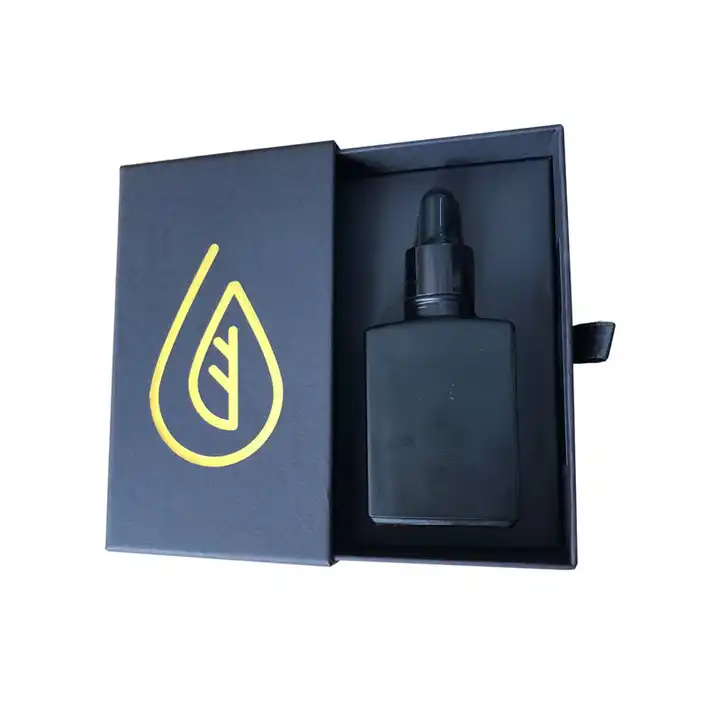
Confirm whether dimensions are internal or external. Place the actual product inside the packaging when possible and check clearance, orientation, removal and movement. For inserts, confirm that the product is held securely without excessive force or visible damage.
- Length, width and height
- Product clearance and orientation
- Insert openings, finger notches and removal method
- Lid depth, closure and opening force
- Assembly and filling process
2. Check Structure And Function
Fold and assemble the sample more than once. Test locking tabs, magnets, ribbons, handles, tear strips and glued areas. If the packaging will be handled repeatedly, discuss how repeated opening may affect appearance and function.
For direct-shipping mailer boxes, product fragility, board construction, insert protection and the shipping route should be considered together. A presentation sample alone is not a transit-test result.
3. Confirm Material Direction
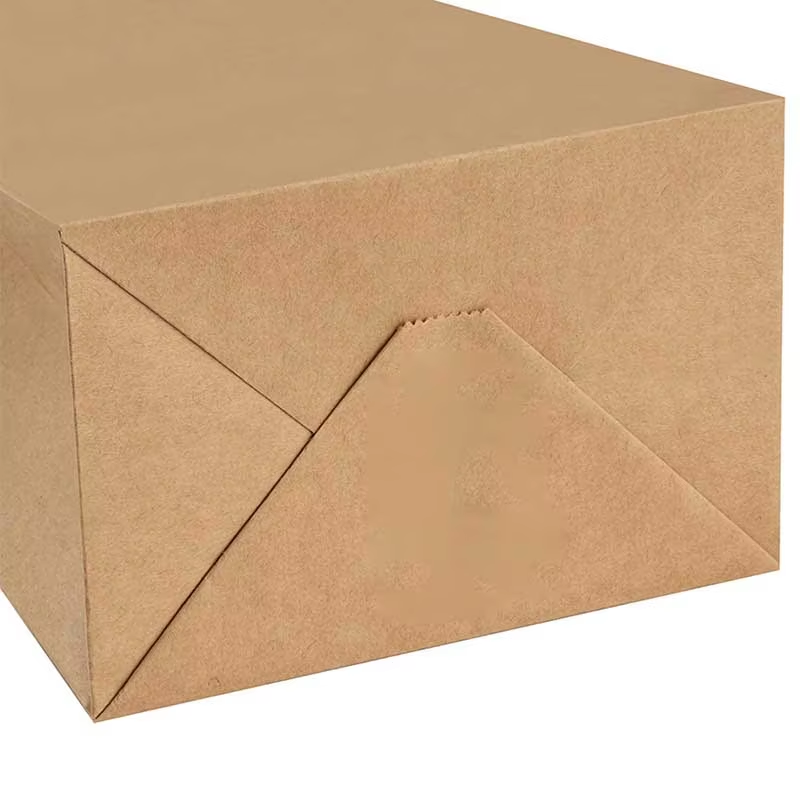
Record the material name, thickness or board construction used for approval. Surface color, texture, grain direction and recycled content can influence appearance and converting performance. If the sample uses substitute material, note what will change in mass production.
4. Review Artwork At Actual Size
Check logo size, copy, barcode area, legal text, bleed, safe margins, panel orientation and inside printing. Fold the sample before approval because artwork that looks correct when flat can appear too close to an edge or crease after assembly.
Use the custom packaging artwork guide to prepare production files.
5. Approve Color With A Clear Reference
Screen colors are not a reliable final print standard. Identify whether approval is based on a Pantone reference, printed proof, physical sample or agreed visual range. Material color, coating and printing process can change the result.
If exact color is critical, discuss it before sampling and record the controlling reference. Learn more in our printing and finishing guide.
6. Inspect Specialty Finishes
Check foil, embossing, debossing, spot UV and other finishes for position, coverage, fine detail and interaction with folds or edges. Very thin lines, small reversed text and finishes crossing creases may need adjustment.
7. Check Appearance Under Normal Use
Review corners, wrapped edges, glue areas, lamination, scratches, dust, color variation and alignment under practical lighting. Agree which appearance details are critical and which natural process variations are acceptable for the chosen material and construction.
8. Confirm Packing Requirements
How packaging is packed can affect shape, surface condition, freight volume and warehouse work. Confirm whether products are shipped flat or assembled, how many pieces go into an inner pack and master carton, and whether carton marks, pallets or moisture protection are needed.
Create A Written Sample Approval Record
After review, summarize the approved details and any required changes. Use photos, marked measurements and a revision number. Do not rely only on a message saying “sample approved” if several points are conditional.
- Sample type and date
- Approved dimensions and structure
- Approved material direction
- Artwork revision and color reference
- Approved finish positions
- Changes required before production
- Items not represented by the sample
When you send sample feedback, identify the exact revision, the points approved, and the corrections still open. That written record connects the physical sample to the final production brief.

What Can Still Differ In Mass Production?
Production quantity, printing equipment, material batches and converting processes can introduce normal variation. The acceptable range depends on the project. Ask the manufacturer to identify relevant tolerances and limitations before approval, especially for color, handmade rigid boxes, specialty papers and complex finishing.
Send XLY Your Sampling Requirements
To recommend a sampling route, XLY Pack Factory needs the packaging style, dimensions, product information, quantity, artwork status, critical approval points and delivery destination. We will confirm what the proposed sample is intended to demonstrate before making commitments about timing or cost.
See our Factory & Quality Control process, then request a packaging quote and sample review.
Related Packaging Resources
Approve The Sample By Function, Not By Appearance Alone
The useful sample is the one matched to the decision. Record what the sample proves, what it does not represent and which revision becomes the production reference.
Fit gate
Check internal space, orientation, removal, closure and packing workflow with the actual product.
Material gate
Record board or paper direction, thickness, surface, grain and any substitute used for sampling.
Appearance gate
Review artwork at finished size, color reference, foil position, embossing and visible handmade details.
Production release
List required corrections, approved tolerances and the exact dated sample or proof controlling mass production.
Questions To Resolve Before Approval
- Which decision is this sample intended to approve?
- Does the sample use the final material and print process?
- Has the actual product been tested in the packaging?
- Are conditional approvals written and photographed?
- Is the approved revision traceable for production QC?