
Custom packaging cost depends on a complete production specification. Two boxes that look similar in a photo can have different materials, board thicknesses, printing processes, finishing, inserts, assembly and packing requirements.
This guide explains the main pricing factors for custom boxes and paper bags so buyers can compare quotations accurately and find cost reductions without weakening the packaging’s core function.
1. Packaging Size And Material Usage
Finished dimensions affect the amount of paper or board required and how efficiently pieces fit on a printing or cutting sheet. Small changes can alter material yield. Oversized packaging can also increase packing and freight volume.
Provide finished internal dimensions when product fit is important, and identify whether a supplier’s quotation uses internal or external size.
2. Material Type And Construction
Kraft paper, coated art paper, specialty paper, corrugated board, folding boxboard and greyboard have different cost and performance characteristics. Thickness alone is not a complete comparison; construction, surface, strength and converting suitability also matter.
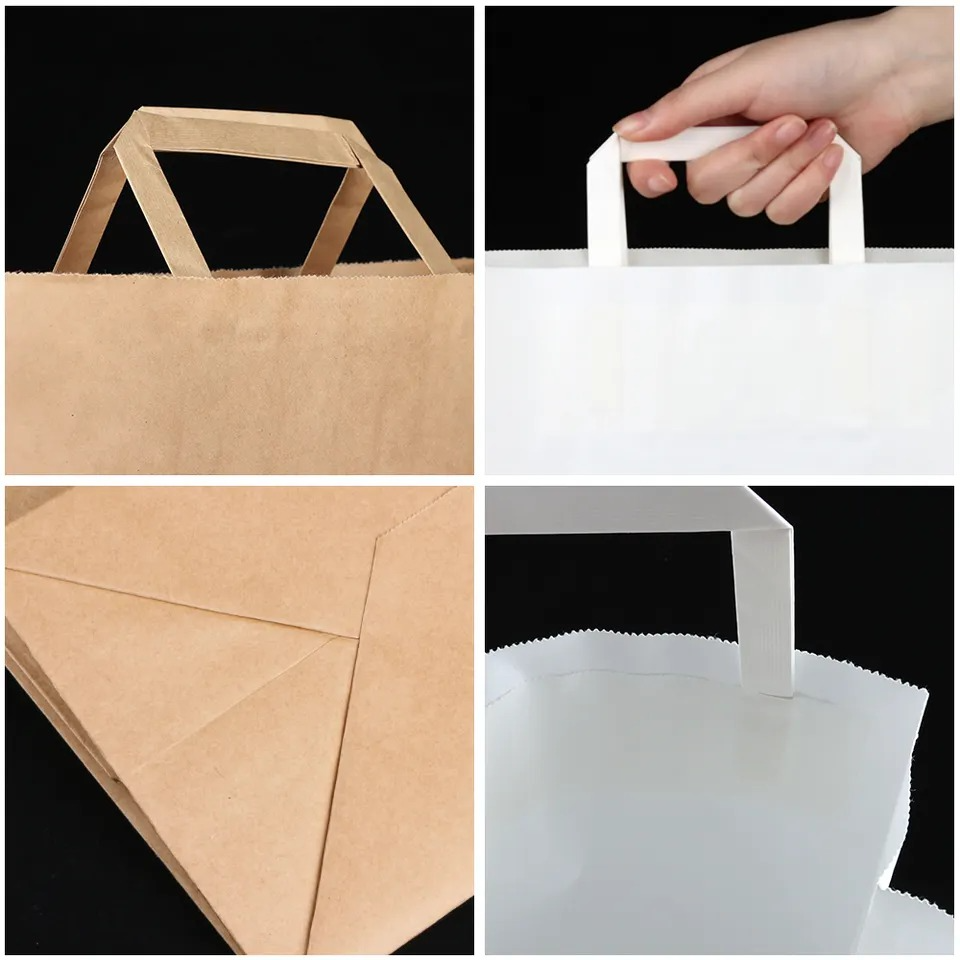
For mailer boxes, board and flute choices affect protection, print appearance and thickness. For rigid boxes, greyboard, wrapping paper and handmade assembly are major factors. For paper bags, paper weight, reinforcement and handle construction influence cost and carrying performance.
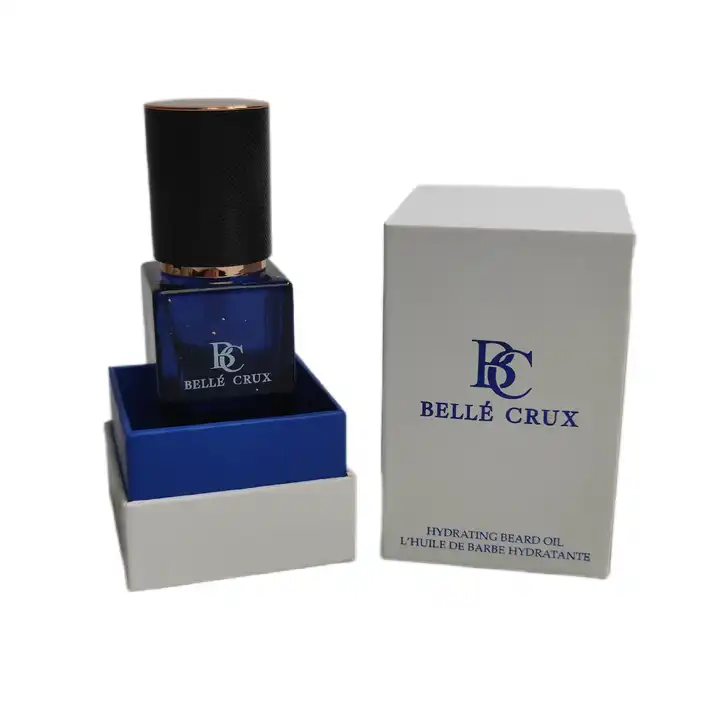
For a fair quote comparison, ask suppliers to state the board layers, flute, finished size and print coverage alongside quantity. A product photograph alone cannot establish material cost or protective performance.
3. Printing Method And Coverage
Printing cost is influenced by quantity, artwork detail, number of colors, coverage, material surface and required consistency. Common options include single-color printing, CMYK, Pantone color, digital printing, flexographic printing and offset printing.
Large dark solid areas, inside-and-outside printing and tight brand-color requirements may need extra attention. Ask suppliers to quote the same printing method and coverage before comparing prices.
4. Surface Finishing
Lamination, coatings, foil stamping, embossing, debossing and spot UV add process steps and setup. Cost depends on the finish area, number of positions, artwork detail and compatibility with the material and structure.
Premium finishes are often most effective when used selectively. A smaller foil area or one clear embossing feature may create stronger visual hierarchy than applying multiple finishes everywhere.
5. Packaging Structure And Assembly
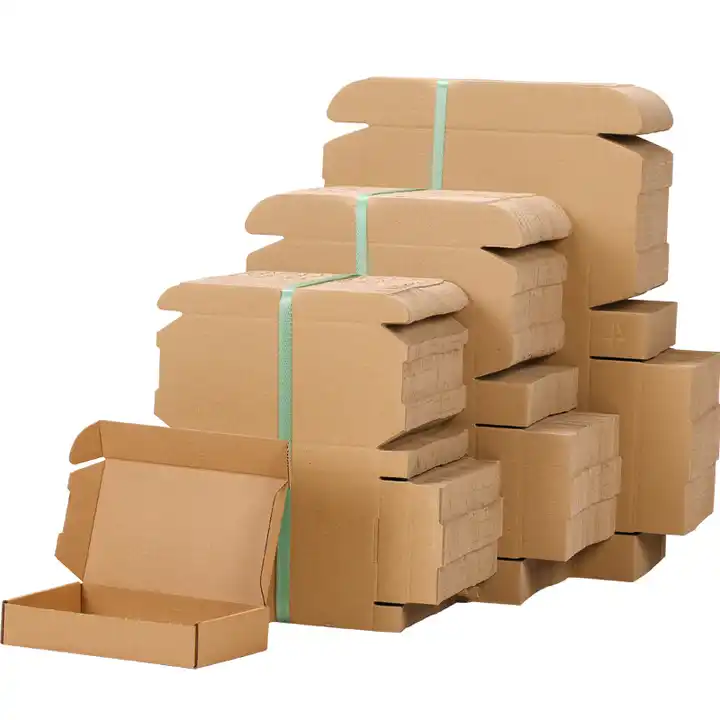
A simple folding carton, self-locking mailer, magnetic rigid box and handmade paper bag require very different converting and assembly. Complex folds, windows, magnets, ribbons, handles, sleeves and glued compartments add materials or labor.
Ask whether the packaging will be delivered flat or assembled. Flat packing may reduce freight volume, while assembled packaging can reduce work at the buyer’s filling location.
6. Inserts And Accessories
Paperboard, corrugated, molded pulp, EVA and foam inserts vary in appearance, protection, tooling and assembly. Product layout and the number of components affect insert size and complexity.
Send accurate product dimensions, weight and photos. An oversized or over-engineered insert can add cost without improving the user experience. Compare options in our packaging inserts guide.
7. Order Quantity And Production Setup
Printing, tooling, color setup, finishing and machine preparation create costs that are distributed across the order. Higher quantities can reduce unit cost, but buyers should also consider inventory, storage, design changes and cash flow.
Ask for quantity breaks that match realistic launch and reorder plans. A useful comparison may include two or three quantities using exactly the same specification.
8. Tooling, Plates And One-Time Items
Depending on the design and process, a project may need dies, printing plates, foil blocks, embossing plates, molds or setup items. Confirm whether these are included, charged separately or reusable for an unchanged repeat order.
Artwork or dimensions changes can require new tooling, so control revisions before production.
9. Sampling Requirements
A blank structural sample, digitally printed sample and production-process sample have different purposes and cost. Choose the sample based on what must be approved instead of requesting the most complex option automatically.
Read the custom packaging sample guide before deciding.
10. Packing Method
Individual bags, tissue protection, dividers, inner cartons, master cartons, pallets and carton marks can affect cost and labor. Premium surfaces may need more protection. Heavy or fragile packaging may require stronger export cartons.
11. Freight, Duties And Delivery Terms
Packaging is often volume-sensitive. Freight depends on the final carton dimensions, weight, destination, route, service level and current market conditions. Confirm whether a quotation is for the packaging only, includes delivery to a port, or includes another agreed shipping term.
Provide the destination country and postcode before requesting a freight estimate. Do not compare a product-only quotation with a delivered quotation.
How To Reduce Cost Without Damaging The Packaging
- Right-size the package around the product and insert
- Use one material and structure consistently across variants where practical
- Simplify print coverage or use fewer finishing positions
- Choose a paper-based insert when it meets protection needs
- Review flat-packing options and master-carton efficiency
- Plan realistic quantity breaks and repeat orders
- Freeze artwork and specifications before tooling and production
How To Compare Custom Packaging Quotations
Create a line-by-line comparison covering size, material, printing, finishing, insert, accessories, packing, quantity, sample, tooling and delivery term. If one quotation is much lower, ask which specification difference explains it.
A clear comparison protects both buyer and supplier because it reduces later changes and misunderstandings.
Request A Specification-Based Quote
XLY Pack Factory quotes custom packaging after reviewing the structure, dimensions, material, printing, finishing, quantity and destination. If the specification is incomplete, we can suggest practical options, but final pricing should follow confirmed details.
Prepare your information with our quote checklist, then request a custom packaging quotation.