
Printing and finishing choices have a major effect on how custom packaging looks and feels. The same box structure can look simple, natural, premium, or colorful depending on the printing method and surface finish.
This guide explains common packaging printing and finishing options so brands can prepare clearer quote requests for paper bags, mailer boxes, cosmetic boxes, rigid boxes, kraft boxes, food packaging, and retail boxes.
CMYK Printing
CMYK printing is used for full-color artwork, photos, gradients, and colorful brand designs. It is suitable for cosmetic boxes, retail boxes, paper bags, food packaging, and mailer boxes with detailed artwork.
If the artwork includes many colors or images, CMYK is usually the most practical choice. For best results, provide high-resolution artwork and confirm the printing surface, because kraft paper and white paper can produce different color effects.
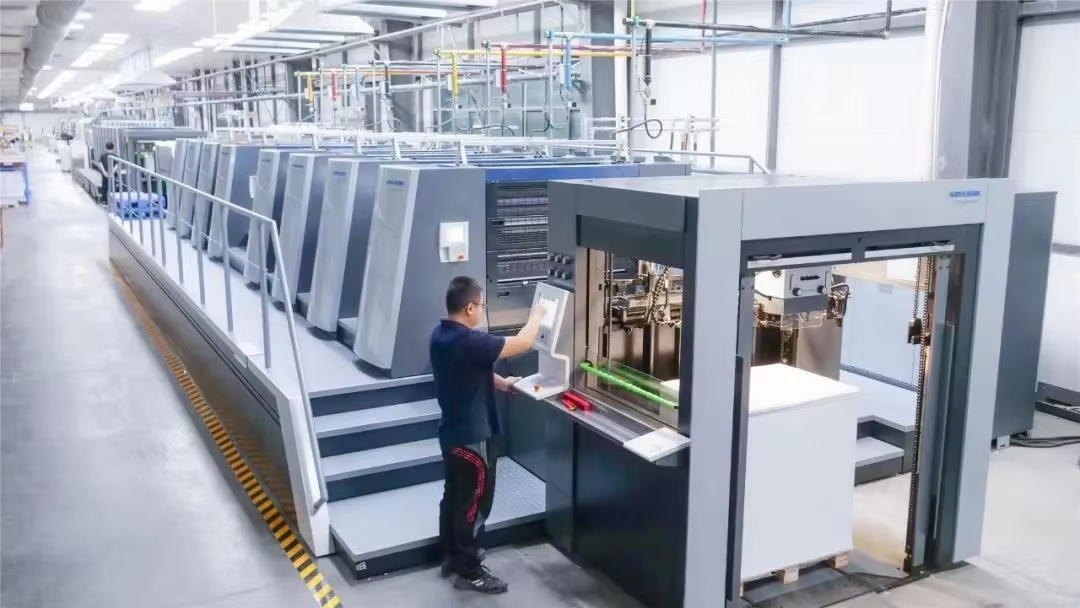
Pantone Color Printing
Pantone printing is useful when a brand needs more accurate color matching. It is often used for logos, brand colors, and simple designs where consistency is important.
Pantone colors can be especially helpful for corporate packaging, retail packaging, and premium projects. The final result still depends on material, coating, and surface color, so a sample or proof may be needed for strict color requirements.
Matte And Gloss Lamination
Matte lamination creates a soft, refined surface and is common for premium retail packaging, cosmetic boxes, rigid boxes, and paper bags. Gloss lamination makes colors brighter and gives the surface more shine.
Lamination can improve appearance and surface durability, but it may affect recyclability. If material recovery is a goal, assess the complete printed and laminated construction against the destination market, and compare whether another finish meets the required appearance and use.
Foil Stamping
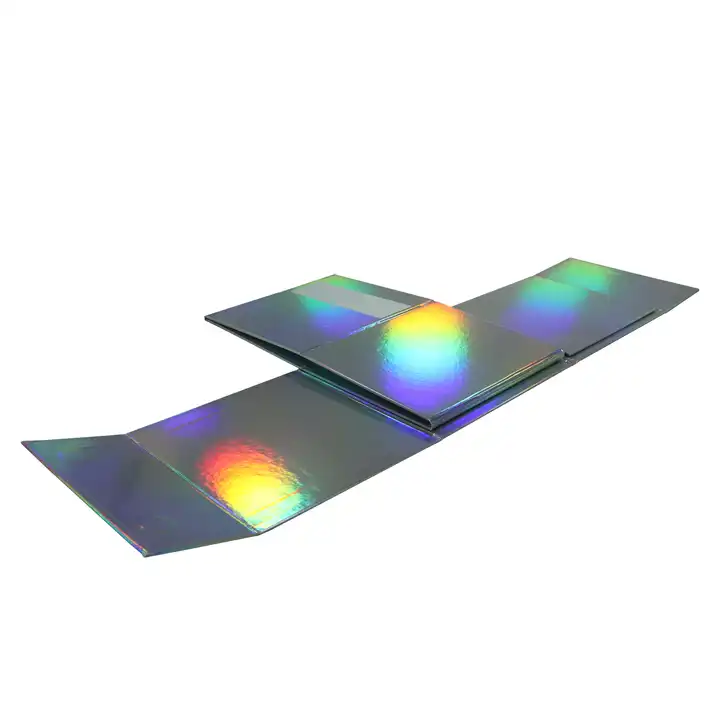
Foil stamping adds metallic or colored foil to logos, patterns, borders, or product names. Gold foil, silver foil, rose gold foil, and holographic foil are common choices.
Foil is often used for luxury rigid boxes, cosmetic packaging, gift boxes, jewelry packaging, and premium paper bags. It works best when used as a highlight rather than covering too much of the design.
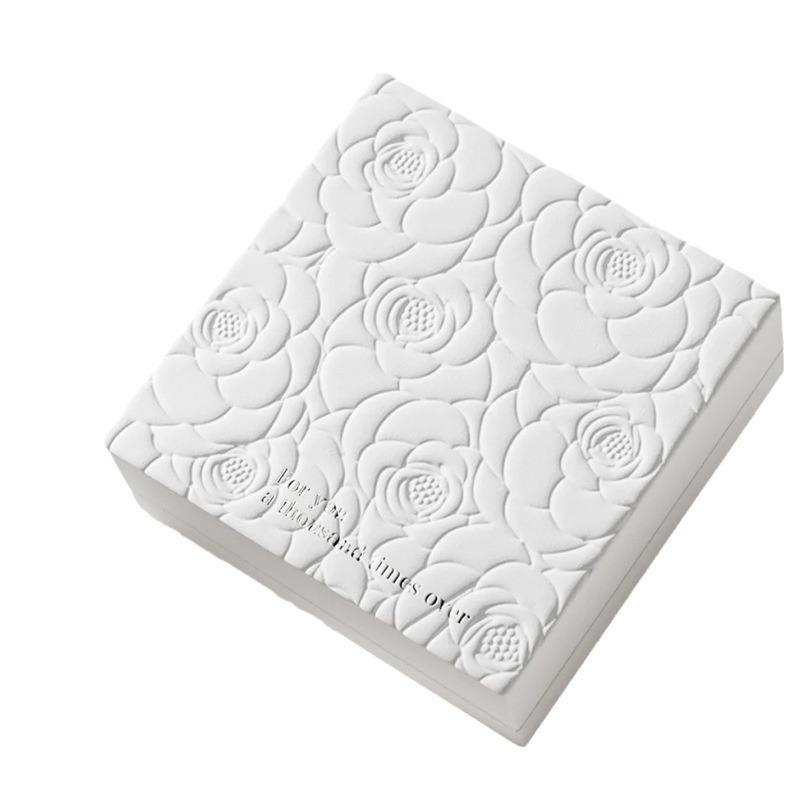
Embossing And Debossing
Embossing raises part of the design, while debossing presses it into the surface. These finishes add texture and depth to logos or patterns.
Embossing and debossing are popular for premium packaging because they create a tactile effect. They can be combined with foil stamping for a stronger brand impression.
Spot UV
Spot UV adds a glossy coating to selected parts of the packaging, such as logos, patterns, icons, or product names. It creates contrast against matte surfaces and can make details stand out.
Spot UV is often used for cosmetic boxes, retail boxes, gift boxes, and promotional packaging. It is best used selectively for a clean premium effect.
PRINT FINISHES / APPROVAL GUIDE
Compare the result you want to feel or see
The same process can look different on kraft, coated board and wrapped rigid boxes. Approve a finish on the specified substrate and artwork.
Foil
A reflective metallic or colored detail; confirm registration and coverage around fine type.
Emboss / deboss
Raised or recessed relief; check board thickness, reverse-side effect and legibility.
Spot UV
Selective gloss contrast; check the varnish placement and the material underneath.
Lamination
Matte or gloss film changes surface feel and contrast; review folds and any finishing combination.
Review The Artwork On A Physical Sample
A screen preview cannot show how a brown or coated sheet changes ink color, whether a fine line stays readable, or how a finish behaves around a fold. Ask for an artwork proof with the exact dieline, substrate and marked finish areas. Approve the color target and text before production, then review a physical sample when color, texture or opening feel is critical.
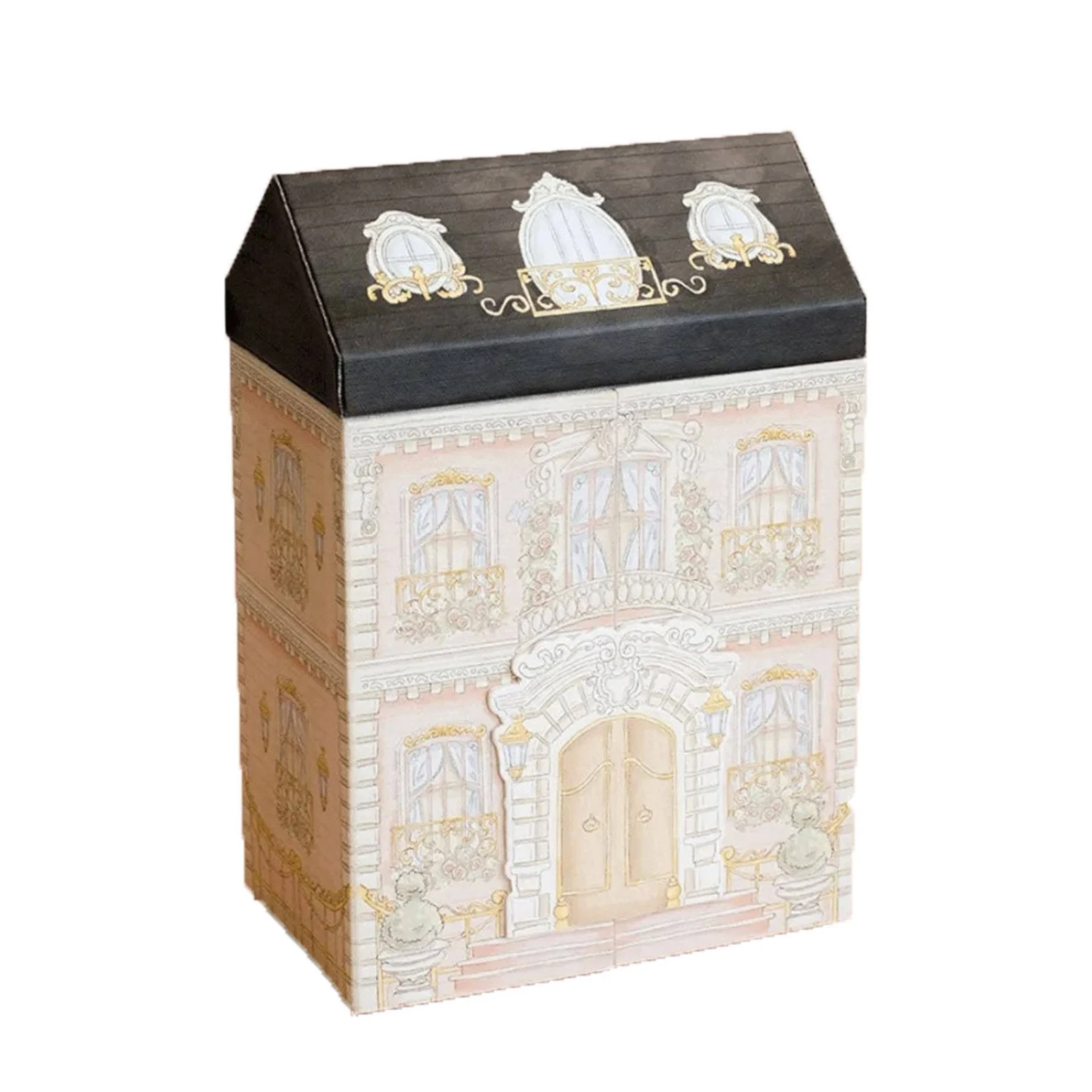
When requesting a quote, mark each finish location on the artwork, identify the finished size and material, and state quantity per design. Compare rigid box options and paper bag formats; send artwork or reference photos so production options can be reviewed against your brief.
How To Choose The Right Finish
- Use CMYK for colorful full-artwork packaging.
- Use Pantone when brand color accuracy matters.
- Use matte lamination for a clean premium surface.
- Use gloss lamination when brighter color is preferred.
- Use foil, embossing, or spot UV for premium highlights.
- Compare finishes against the actual budget and material recovery requirements.
Need Help With Packaging Printing?
XLY Pack Factory supports custom packaging printing and finishing for boxes, paper bags, inserts, and retail packaging. We can recommend practical options based on your artwork, product type, target market, and budget.
Explore custom packaging products or send a quote request with your artwork, size, quantity, material, and finishing requirements.