
Printed mailers sized for your delivery route
Self-locking corrugated mailers with custom printing and inserts. Share product dimensions, packed weight, quantity, artwork status and destination for a tailored quote.
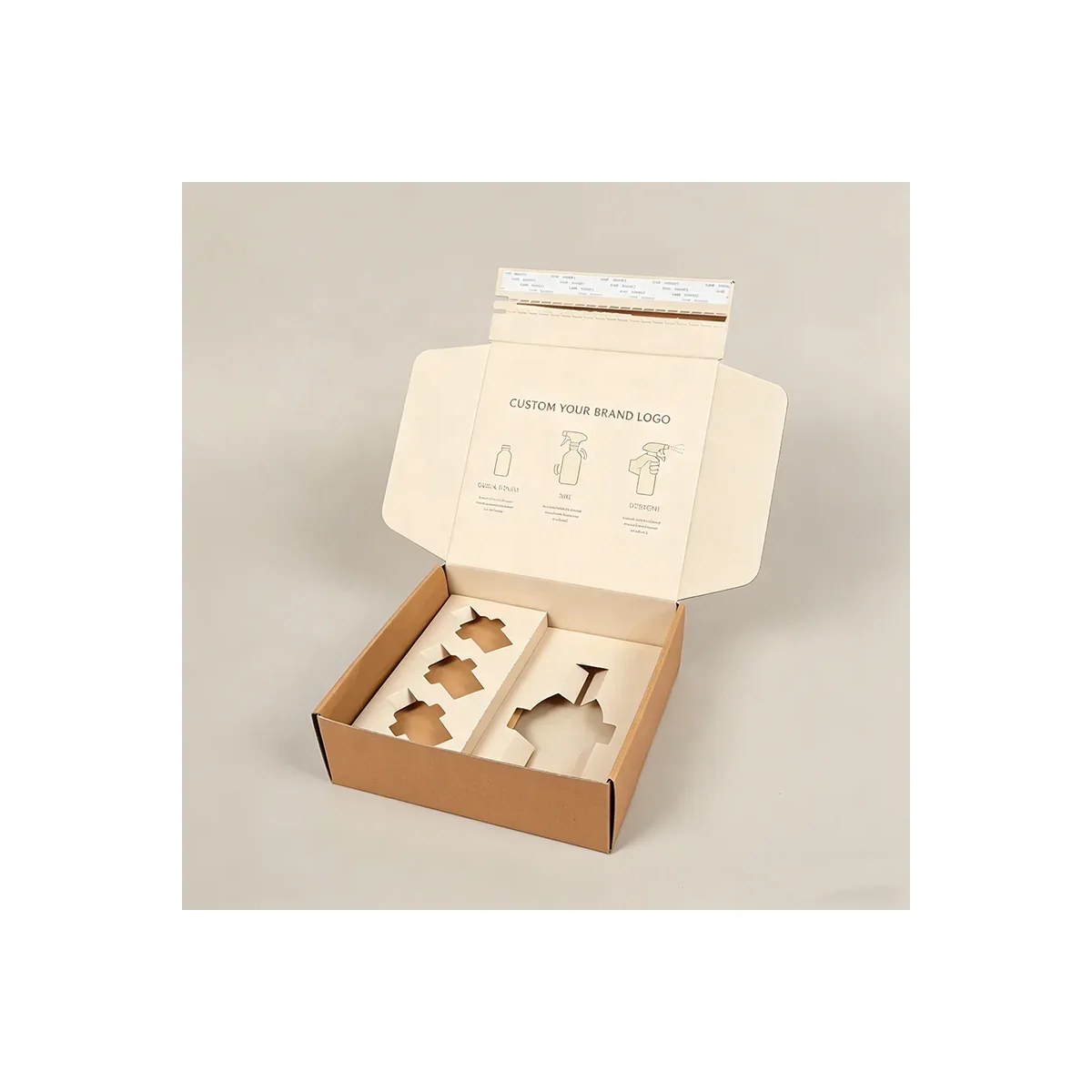
Can This Product Model Fit Your Requirement?
Use this table for initial screening. Every project remains custom and requires a confirmed production specification.
| Parameter | Configurable direction / buyer input |
|---|---|
| Material | Kraft or white corrugated board with liner and flute selected for the product and route |
| Structure | Tuck-front mailer with locking tabs, dust flaps and optional project-specific opening features |
| Size | Custom internal length × width × depth with product and insert clearance |
| Capacity / load | Confirmed from box span, flute, packed weight, stacking and distribution conditions |
| Printing | Flexographic, digital or offset-laminated route chosen by artwork, coverage, quantity and board |
| Finishing | Outside or inside printing, selected coating/lamination, tear-strip or adhesive direction when feasible |
| MOQ | Featured cosmetic paper boxes have a 500-piece minimum; featured custom paper bags have a 1,000-piece minimum. Quantities are confirmed per design, size and style. Other packaging formats generally start at 500 pieces; selected other structures may be considered at 200–499 pieces with a significantly higher unit cost. Specialized materials and production methods may require a higher minimum. |
| Evidence | Order-relevant material or compliance documents are confirmed only after the exact specification, use and destination are known. |
Typical Application Scenarios
E-commerce product shipments
Confirm packed-product dimensions and weight, then review internal clearance, product movement and courier handling before selecting flute and insert.
Subscription and influencer kits
Check the insert layout and packing sequence for every item, then test whether the arrangement stays stable through the intended delivery route.
Apparel, beauty and lifestyle orders
Decide whether inside printing, a branded insert and courier-label space are needed before finalizing the dieline and print route.
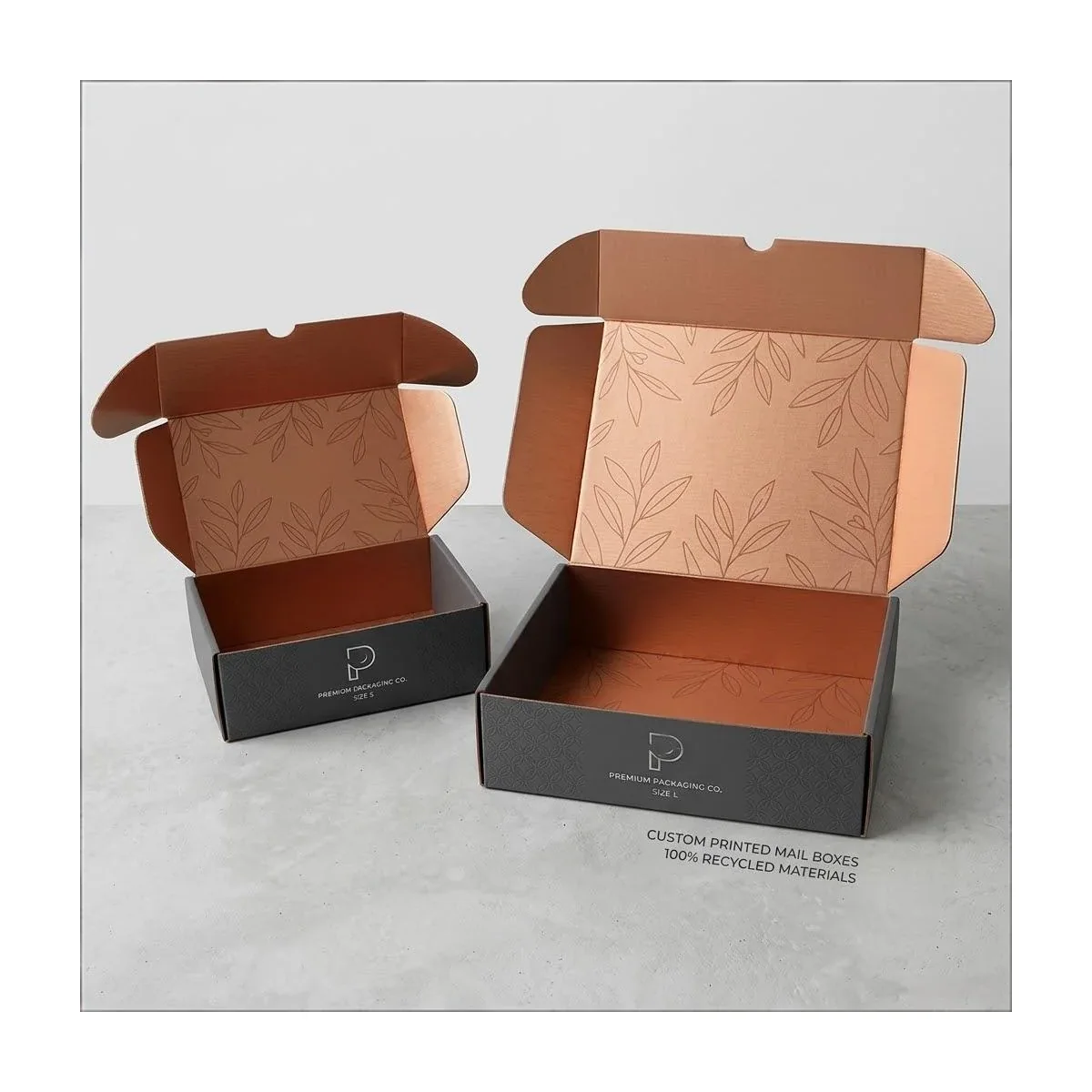
What Can Be Customized?
- Inside and outside printing
- Paper or corrugated insert
- Locking-tab and dust-flap design
- Tear strip or return concept
- Label and courier areas
- Master-carton or direct-ship plan
Confirm Before Quoting
- Internal rather than external size confirmed
- Product movement reviewed
- Assembly sequence tested
- Print rub and label area considered
- Transit-test level agreed
From Requirement To Repeatable Specification
- BriefProduct, size, quantity, artwork and destination
- RecommendationStructure, material, print and finish comparison
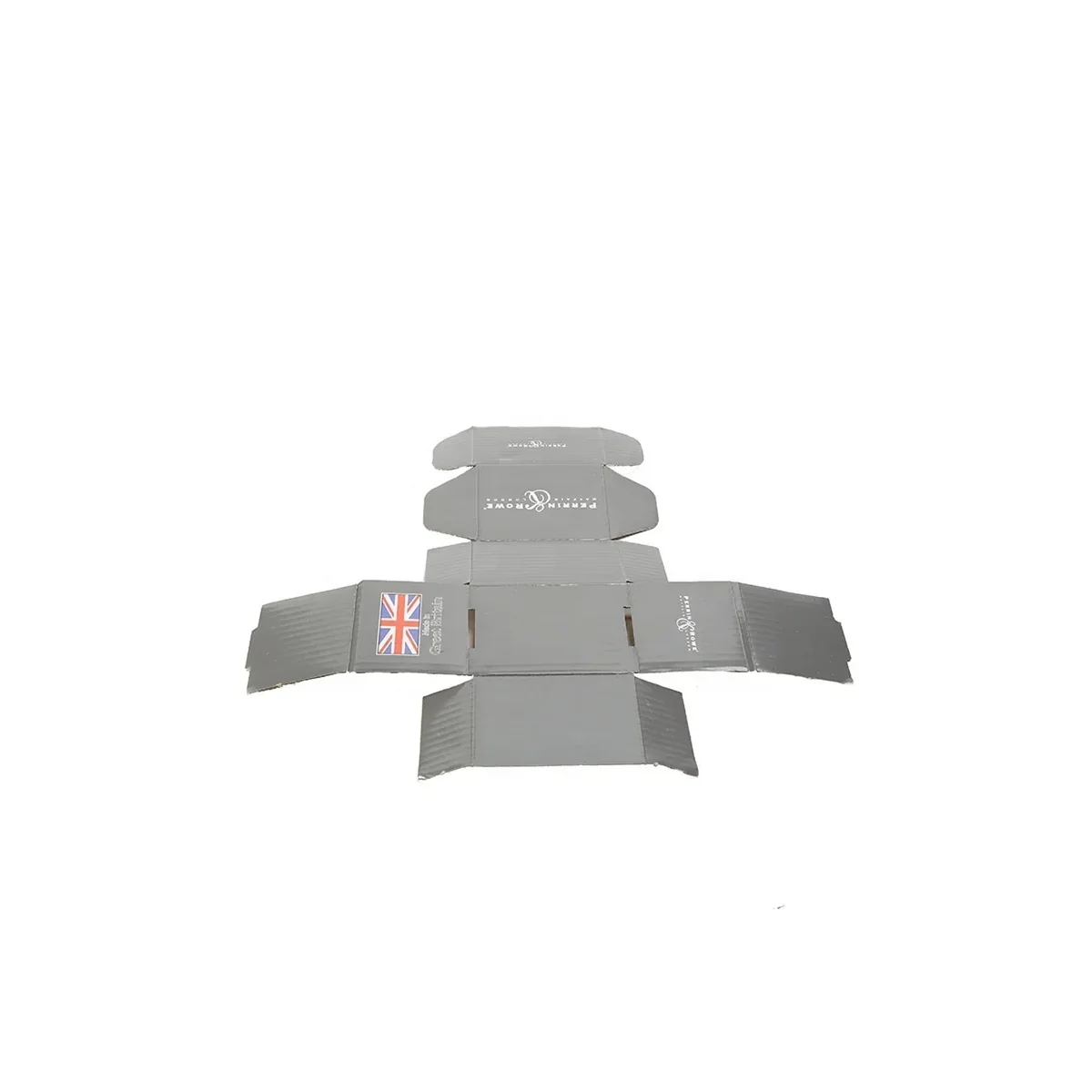
- DielinePanel, fit and production-feasibility review
- SampleStructure, appearance and fit approval when required
- Production QCChecks tied to the approved order specification
- Reorder recordFinal specification retained for repeat discussion
What Buyers Should Confirm Before Ordering
These model-specific decisions affect quotation accuracy, sampling, bulk production and shipment planning.
MOQ Factors
Board grade and flute, dieline size, inside/outside print coverage, print process, insert design, special closure features and the number of artwork versions drive the practical MOQ review.
Sampling Focus
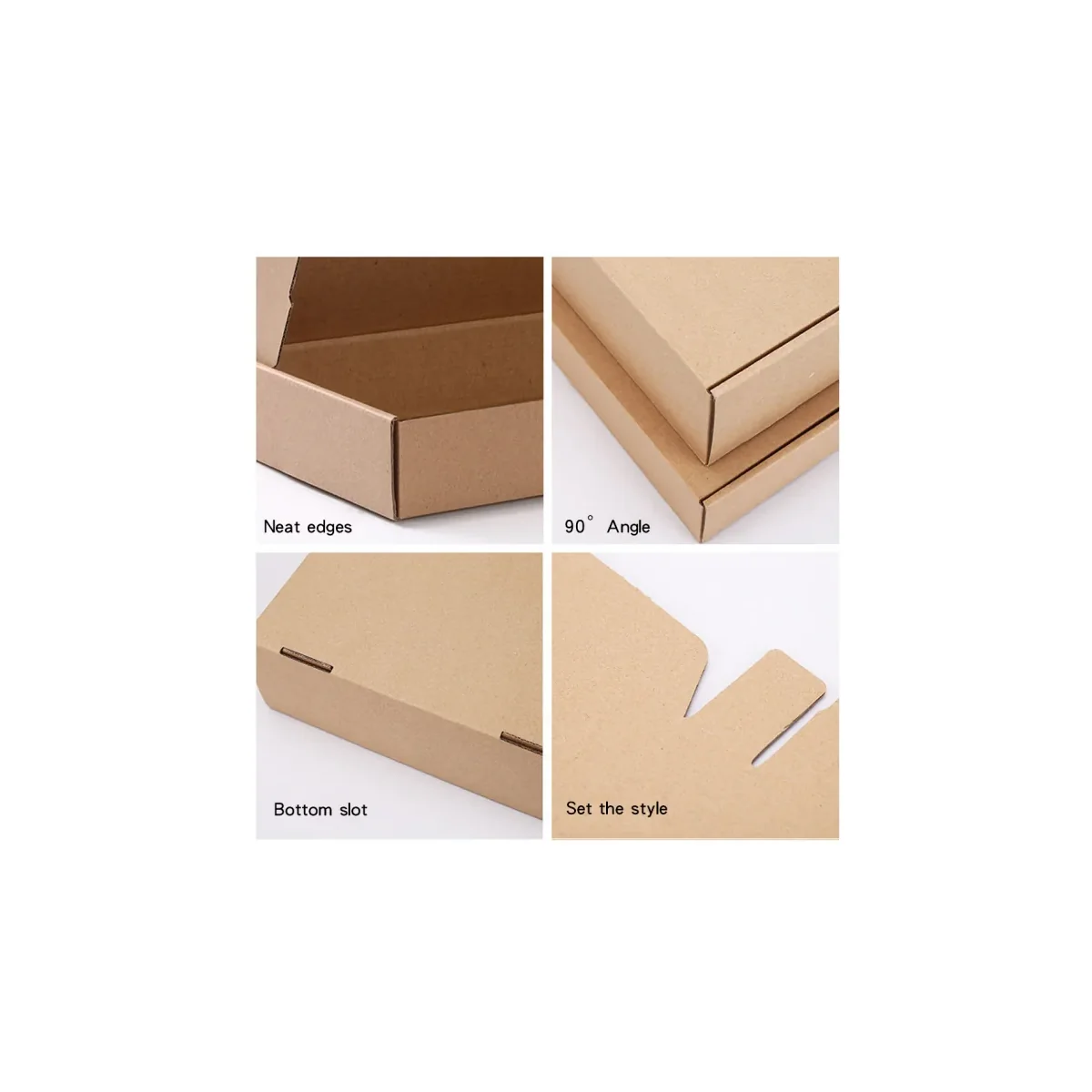
Start with a structural sample to check internal fit, locking tabs, dust flaps, assembly speed and packed-product movement. Add a printed sample when color, inside printing or coating performance must be approved before production.
Mass Production Flow
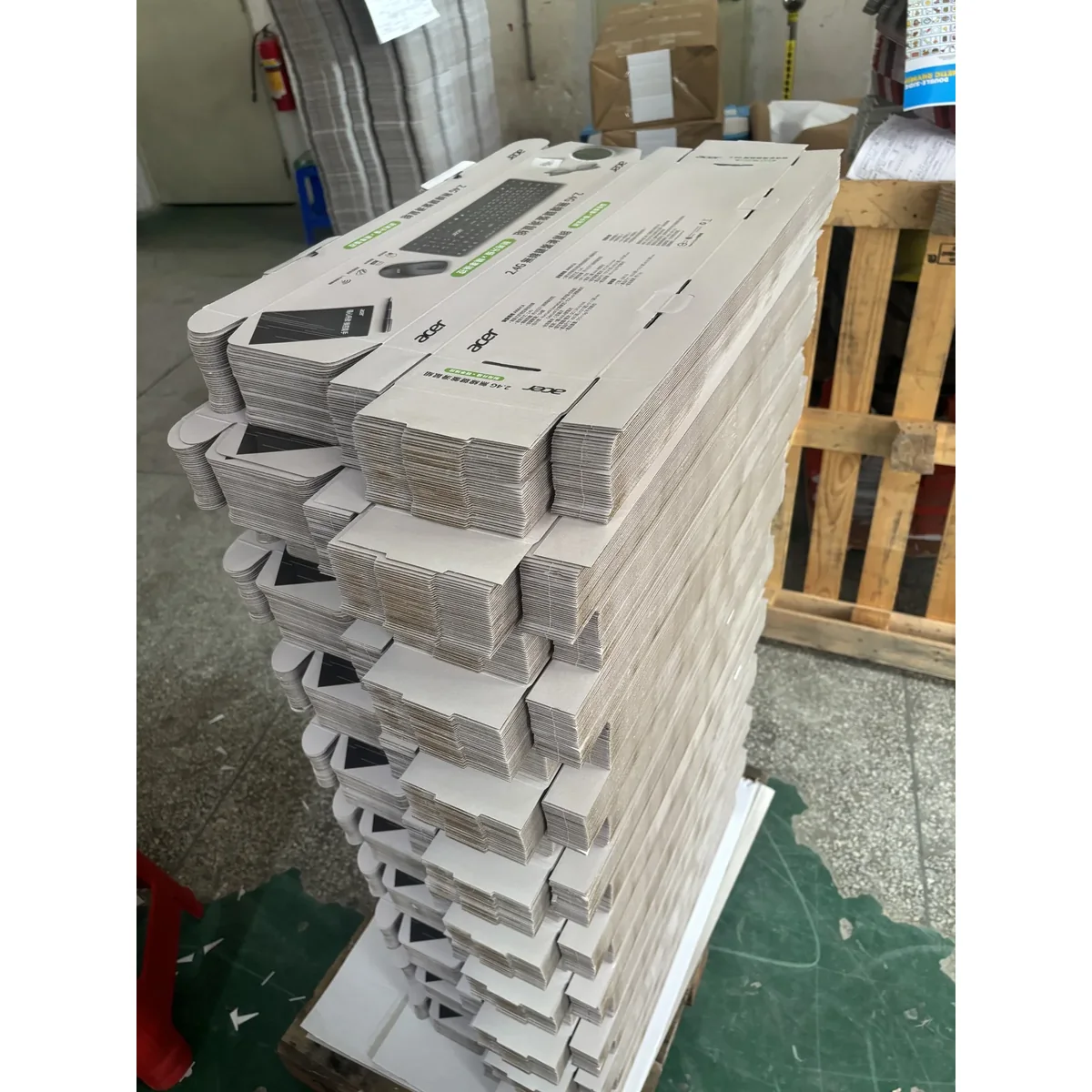
After dieline and artwork approval, the order moves through board preparation, printing, lamination when required, die cutting, stripping, folding or gluing as specified, packing and order-specific QC checks.
Flat-Packed Or Assembled
Self-locking corrugated mailers are normally supplied flat-packed to reduce shipment volume. The quotation should state bundle count, master-carton packing, pallet requirements and whether the boxes are for master-carton distribution or direct shipment.
Information Needed For A Useful Quote
Provide product dimensions, packed weight and photos, internal box size if known, quantity, destination/postcode, print coverage, insert or divider needs, shipping route, artwork status and target delivery date.
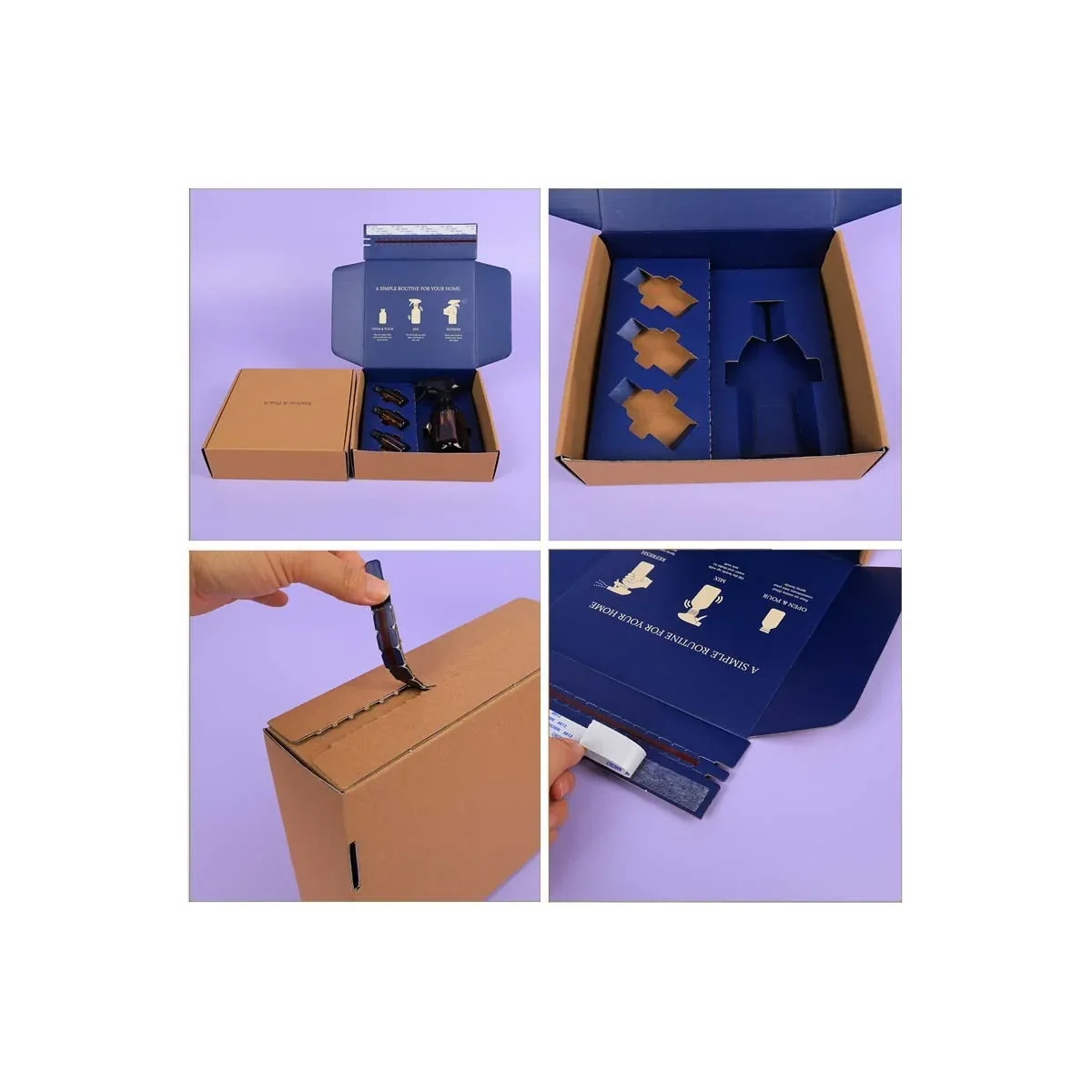
Send Project RequirementsStructure And Finish Views
These existing XLY product images are selected for visible structural relevance to this box type.
Choose The Mailer Around Product Fit, Route And Packing Work
A mailer that looks correct when empty can still create excess movement, inefficient packing or unnecessary freight volume. Flute, wall construction, internal size, insert and print route should be decided as one system.
E flute, B flute and finer flute profiles
E flute is often selected when compact size, cleaner folds and print presentation matter. B flute provides a deeper profile for projects needing more cushioning or stiffness. Finer microflute directions can support compact retail-style presentation, subject to size, route and converting review.
Single-wall and double-wall construction
Single-wall board is common for self-locking mailers when the packed product and distribution route are controlled. Double-wall structures are considered for larger spans, heavier packed sets or more demanding handling, but they increase thickness, folded volume and dieline requirements.
Self-locking mailer vs shipping-style mailer
A tuck-front self-locking mailer emphasizes opening and presentation. A shipping-style mailer may add sealing strips, tear strips, reinforced panels or different dust-flap geometry. Closure security and return requirements should be defined before the dieline is approved.
Product size, internal size and cushioning space
Start with maximum product dimensions and orientation. Add only the clearance needed for insertion, removal, insert thickness and cushioning. Excess space increases movement and shipping volume; insufficient space can distort the product or prevent consistent assembly.
Paperboard, corrugated and EVA inserts
Paperboard inserts suit lighter products and branded presentation; corrugated inserts add separation and structural support; EVA can hold precise shapes when an all-paper solution is not required. Product contact points and removal access must be reviewed.
Digital, flexographic and offset-laminated printing
Digital printing supports shorter runs and artwork variation without conventional plates. Flexographic printing suits simpler graphics and larger corrugated programs. Offset printing laminated to corrugated board provides finer graphics and broader finishing choices when quantity and specification justify the added process.
Flat packing and shipping volume
Self-locking mailers normally ship flat. Dieline footprint, bundle count, master-carton size, pallet pattern and buyer-side assembly time all affect delivered cost. The quote should state whether boxes enter a master carton or ship directly to customers.
Mailer Box Structure, Print, Insert And Delivery Comparison
Use this table to narrow the specification. Final suitability still depends on product, dimensions, quantity, packing method and destination.
| Decision area | Common direction | When it is useful | What to confirm |
|---|---|---|---|
| Flute | E flute or finer microflute | Compact packs, cleaner folds and presentation-led mailers. | Internal size, box span, packed weight and route. |
| Flute | B flute | Projects needing a deeper corrugated profile or additional cushioning. | Dieline size, fold behavior and shipment volume. |
| Digital direct print | Shorter runs, multi-version artwork or fast artwork changes. | Color expectation, board color, coverage and quantity. | |
| Flexographic print | Simpler brand graphics on larger corrugated programs. | Ink count, registration tolerance and board surface. | |
| Offset print laminated to corrugated | Detailed graphics and premium retail-style presentation. | Lamination route, coating, crease behavior and quantity. | |
| Insert | Paperboard, corrugated or EVA | Product retention, separation and controlled unboxing. | Product shape, weight, contact points and removal access. |
| Delivery | Flat-packed bundles | Reduces empty-box shipment volume and supports buyer-side assembly. | Assembly method, bundle count, cartons and packing labor. |
Common Questions Before Choosing This Model
Resolve the main commercial and technical questions before requesting a production-ready quotation.
Should I send internal or external box dimensions?
Send the product dimensions first and clearly label any box dimensions as internal or external. Include the product orientation, insert and required removal space. Corrugated thickness and folded panels mean the two sets of measurements are not interchangeable.
Is E flute always the right choice for an e-commerce mailer?
No. Flute, liner, box span, filled weight, stacking and the delivery route are reviewed together. A compact flute profile may suit one project while a different board construction suits another. Compare the alternatives using the same product and packed configuration.
Can a self-locking mailer ship without tape or an outer carton?
A locking fold alone does not establish shipment readiness. Review opening security, product movement, label placement and handling with the complete pack. The quotation should state any sealing, cushioning or outer-carton requirement for the intended route.
How are inside and outside printing specified?
Mark each printed surface and provide artwork coverage, color references, quantity and any coating or finish. The board color and digital, flexographic or offset-laminated route influence the result. Agree what the proof represents before approving production; see the mailer specification guide.
What should we test before ordering bulk mailers?
Build a complete pack from the flat blank using the real product, insert and sealing method. Check assembly, closure, product movement, removal and print rub. Agree any packed-product transit test for the route, then document the approved board, dieline and packing method.
Send Product Details For A More Accurate Recommendation
Include product dimensions, weight, photos, quantity, destination, artwork status and any reference packaging.