
Custom food packaging boxes need to do more than look attractive. The design should address product handling, delivery, brand information and the food-contact requirements of the intended use and market.
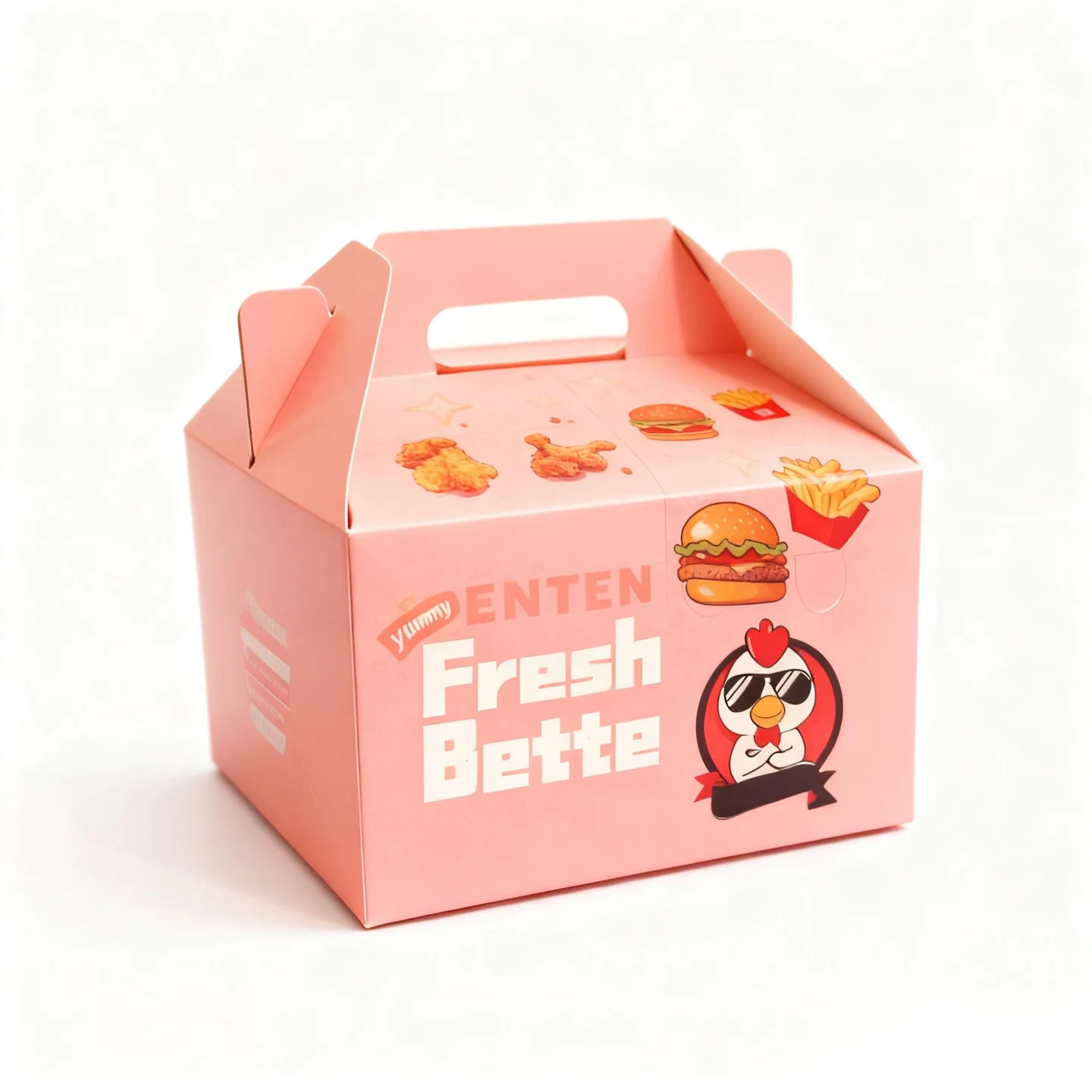
Food packaging is used for bakery products, takeaway meals, snacks, chocolate, coffee, tea, confectionery, catering, and specialty food gifts. The right material and structure depend on whether the packaging touches food directly, whether the food is oily or moist, and how the product will be stored or delivered.
Start With The Food Type
Before choosing a box, define the food type clearly. Dry snacks, cookies, bread, cakes, chocolates, takeaway meals, and frozen foods all have different packaging needs. A box for cookies may focus on presentation, while a takeaway food box may need grease resistance, ventilation, and stronger folding structure.
If the food touches the packaging directly, review the complete contact material and its intended-use documents rather than relying on a generic “food-grade” label. If the food is first packed in a bag, wrapper, tray, or liner, the outer box may focus more on branding and structure.
Common Food Packaging Materials
Kraft Paper
Kraft paper gives a natural brown visual style, but appearance does not establish food-contact suitability or an environmental benefit. It works well for bakery, snacks, takeaway, and handmade food brands. For oily or moist foods, kraft paper may need a suitable coating or liner.
White Cardboard
White cardboard provides a clean surface for full-color printing and bright brand designs. It is commonly used for bakery boxes, candy boxes, chocolate packaging, and retail food packaging.
Corrugated Board
Corrugated board is useful for heavier food sets, gift packs, shipping boxes, and outer packaging. It provides more strength and can be printed for brand presentation.
Food Safety And Coating Considerations
For direct food contact, identify the exact paper, coating, barrier, ink placement, liner and conditions of use, then review supporting documents for the product and destination market. A generic material name is insufficient.
For bakery and takeaway packaging, ventilation can also matter. Hot food or fresh baked products may create moisture, so the packaging structure should help reduce condensation where necessary.
Printing For Food Packaging
Food packaging should make the brand easy to recognize while keeping key information clear. Logo, product name, flavor, ingredients, storage notes, barcode, and compliance information may need space on the box.
Full-color CMYK printing is suitable for retail food brands with strong visual identity. Kraft packaging often looks better with simple black, white, or one-color printing. For premium food gift boxes, foil stamping, embossing, or special paper can improve presentation.
Structure Options
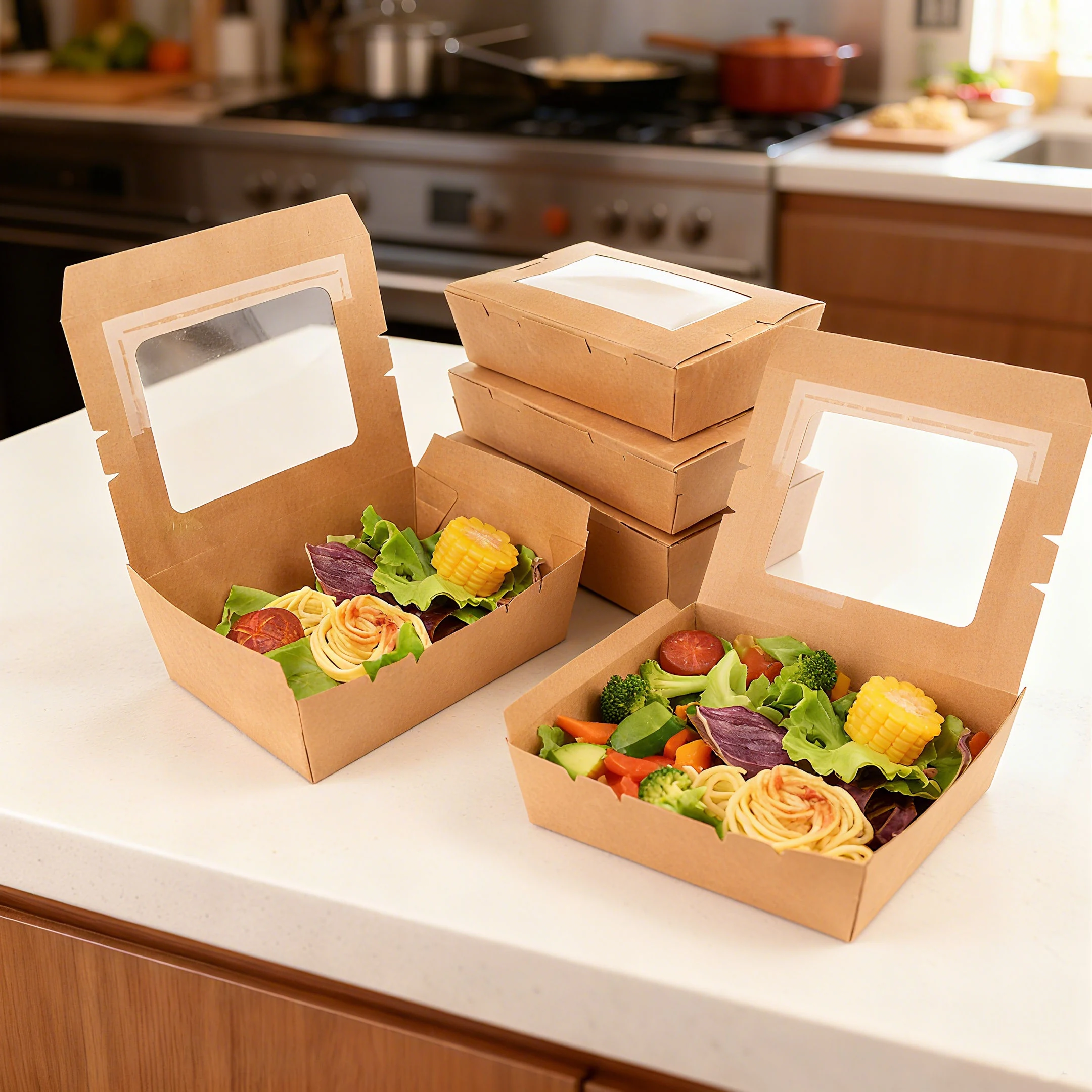
- Bakery boxes with window patching
- Takeaway boxes with lock tabs or handles
- Snack and confectionery folding cartons
- Chocolate or gift boxes with inserts
- Corrugated shipping boxes for food gift sets
- Paper bags and sleeves for bakery or coffee products
Separate Food-Contact Use From An Outer Gift Box
First state whether the food will touch the printed box, a liner, a tray or a separate sealed wrapper. Also identify whether it is dry, oily, moist, hot or chilled, and how long it stays in the package. The contact material, coating, adhesives and any window or liner should be reviewed for that actual use and destination market; a brown kraft appearance alone does not establish suitability.
Compare A Carton With A Window Paper Bag
Compare the opening, packed shape and visibility of the food before selecting the paper, window and barrier specification.
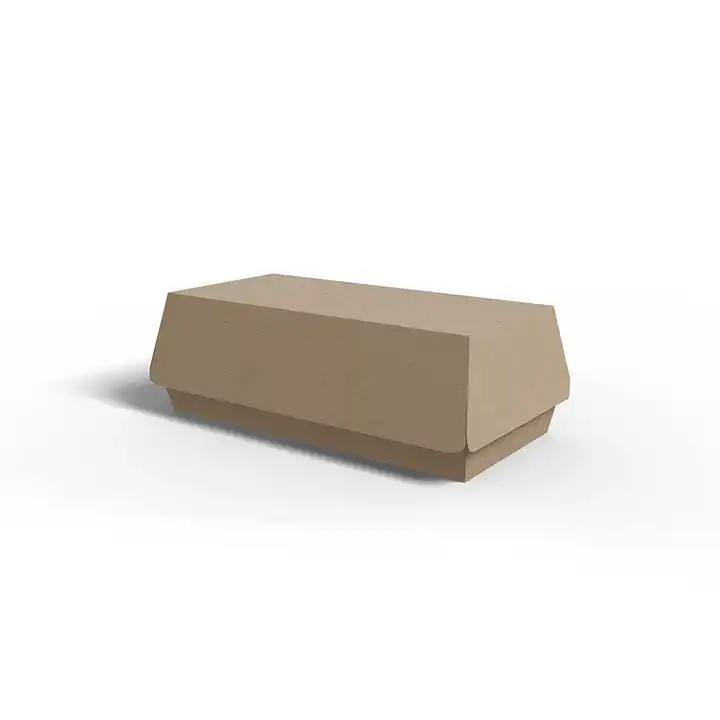
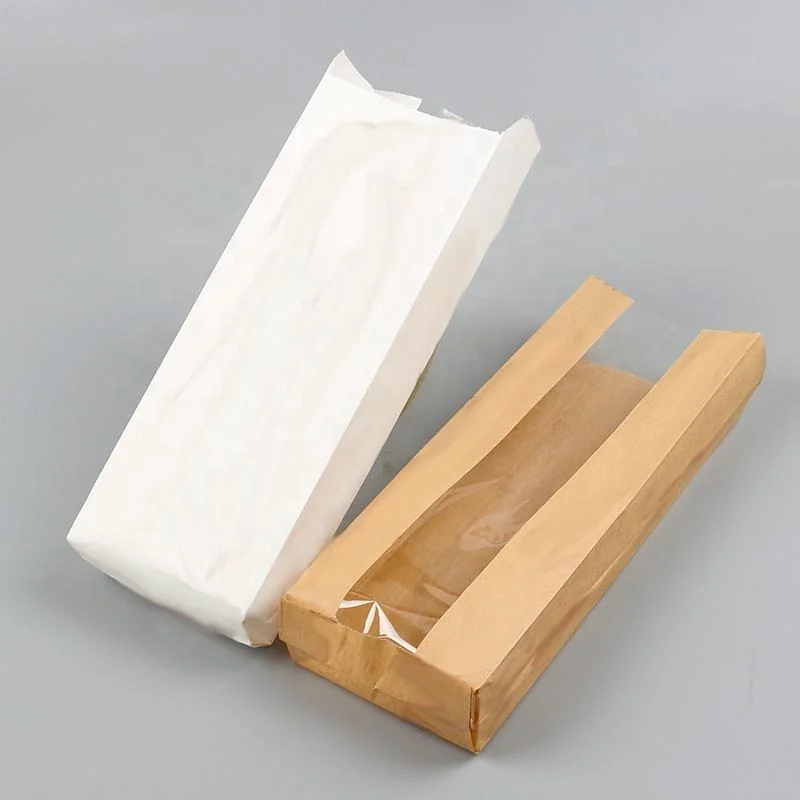
Food-contact suitability depends on the specified materials, coatings and application documents.
For a quotation, send the food type, direct or indirect contact, serving or packed weight, storage temperature, required barrier, box dimensions, quantity per artwork and country of sale. The buyer should review market-specific labels and claims before approving artwork. See custom food box options and send a food packaging brief.
For the United States and Europe, review the FDA food-contact substances information and the European Commission food-contact materials overview. Confirm the applicable requirements and order-specific evidence for the intended market and use.
Information To Prepare For A Quote
- Food type and packaging use
- Whether food touches the packaging directly
- Product size, weight, and quantity per box
- Required box style or reference photo
- Printing artwork and brand colors
- Window, coating, liner, or insert requirements
- Order quantity and delivery country
Need Custom Food Packaging Boxes?
XLY Pack Factory supports custom food packaging boxes for bakery, takeaway, snacks, coffee, confectionery, and specialty food products. We can help choose paper material, coating, structure, printing, window patching, and insert options.
View custom food packaging options or request a packaging quote with your food type, size, quantity, artwork, and delivery country.